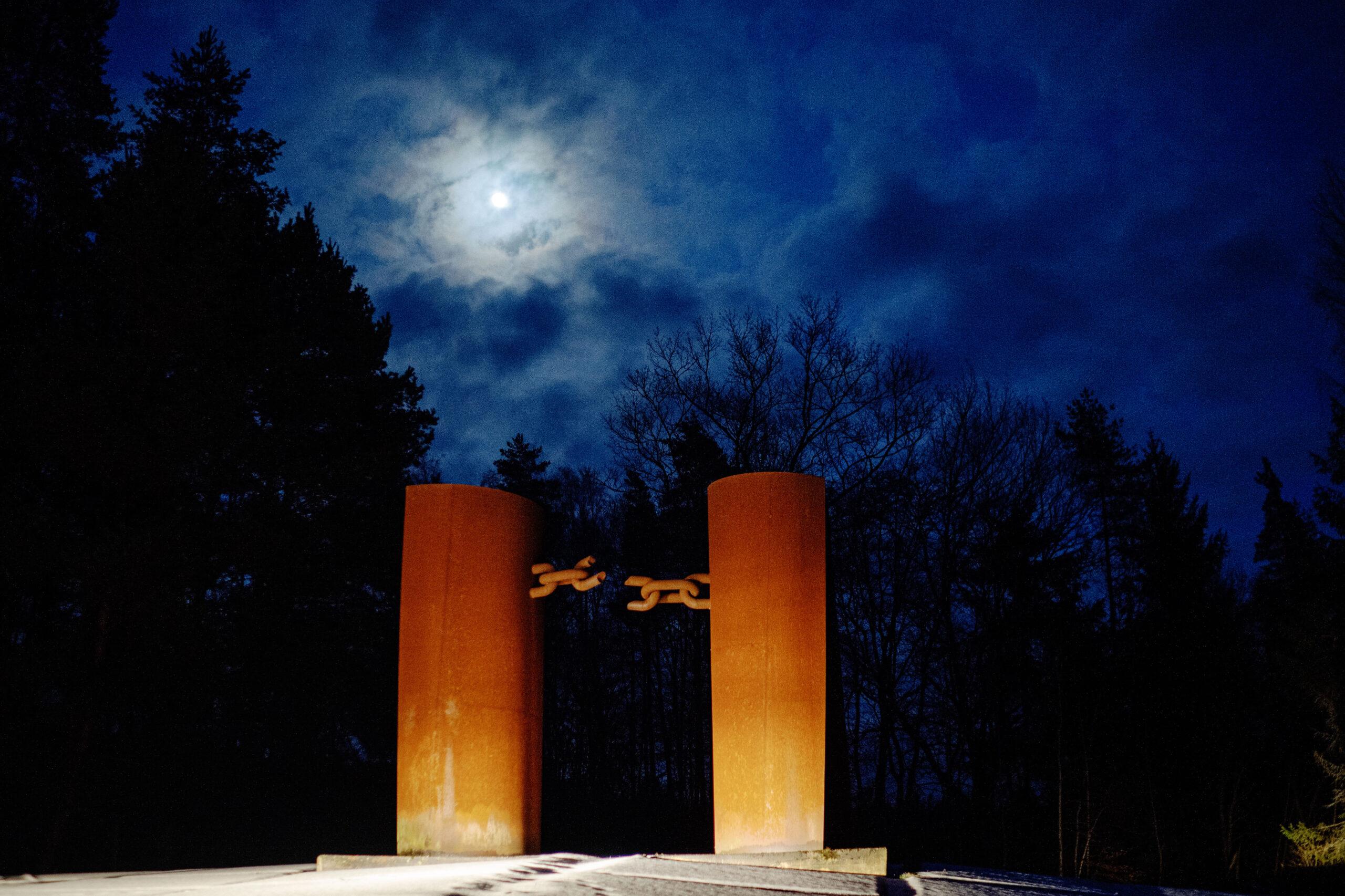
Border Line War
From Norway to Kazakhstan, Russia’s neighbors hold a tenuous line. Along this new Iron Curtain, images capture life haunted by the ghost of an empire that insists it has no boundaries.
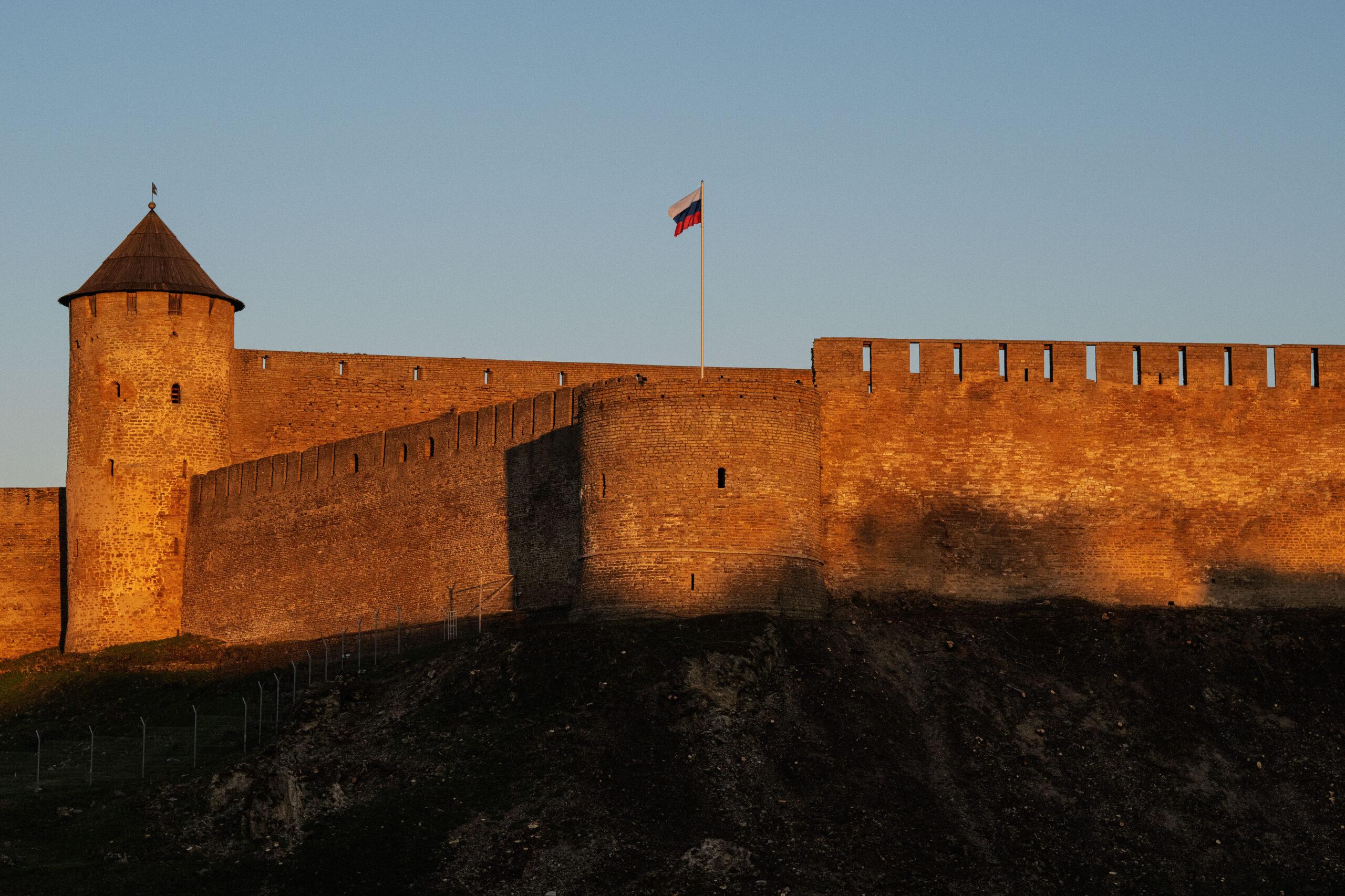
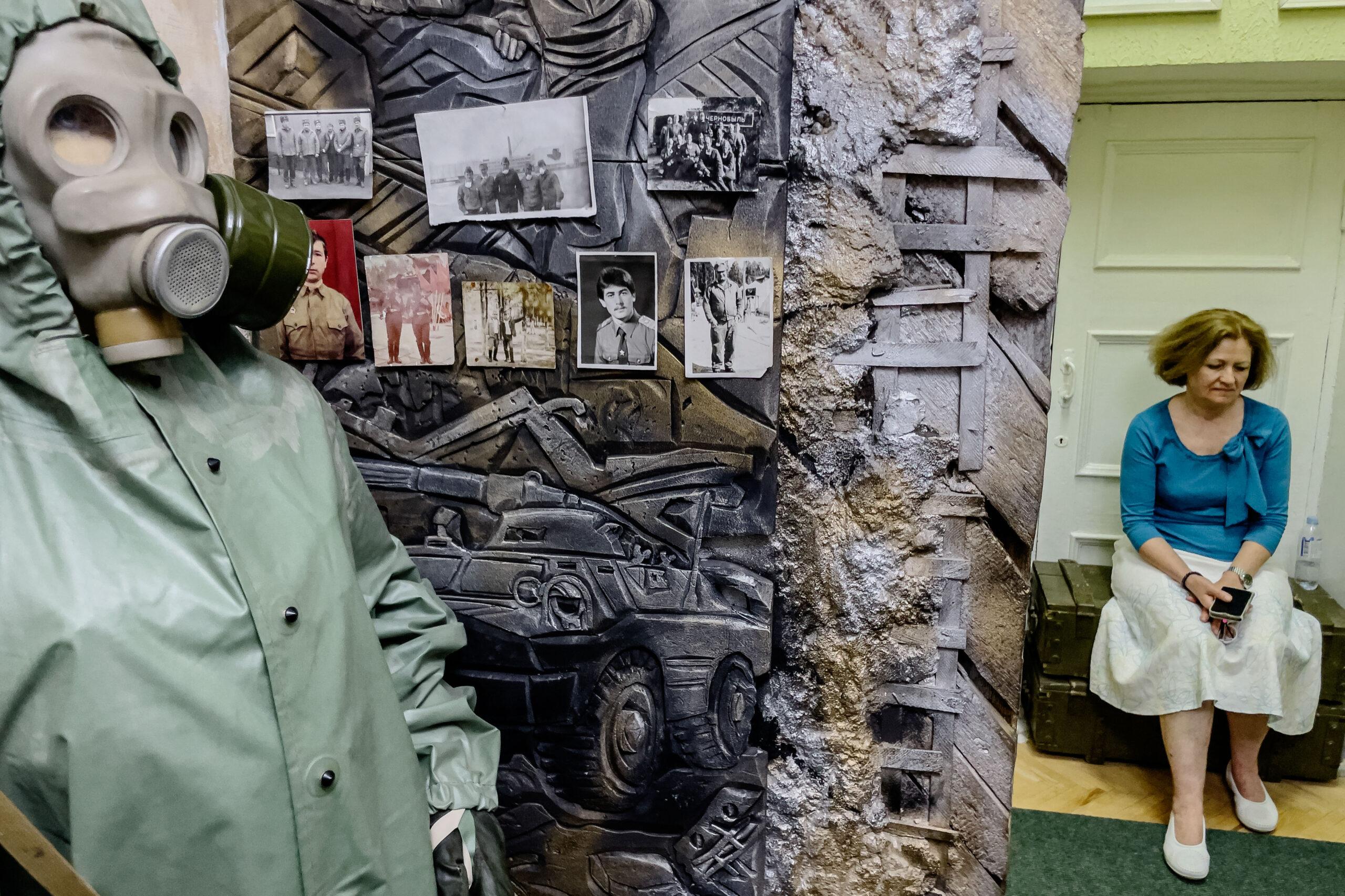
In the fall of 2025, a Russian court sentenced Maria Smorzhevskikh-Smirnova in absentia to 10 years in prison. An Estonian — not Russian — citizen, she didn’t seem a likely target for President Vladimir Putin’s prosecutors. Nor did her job description — director of the main museum in the Estonian city of Narva, on the border with Russia — appear to justify such a draconian punishment.
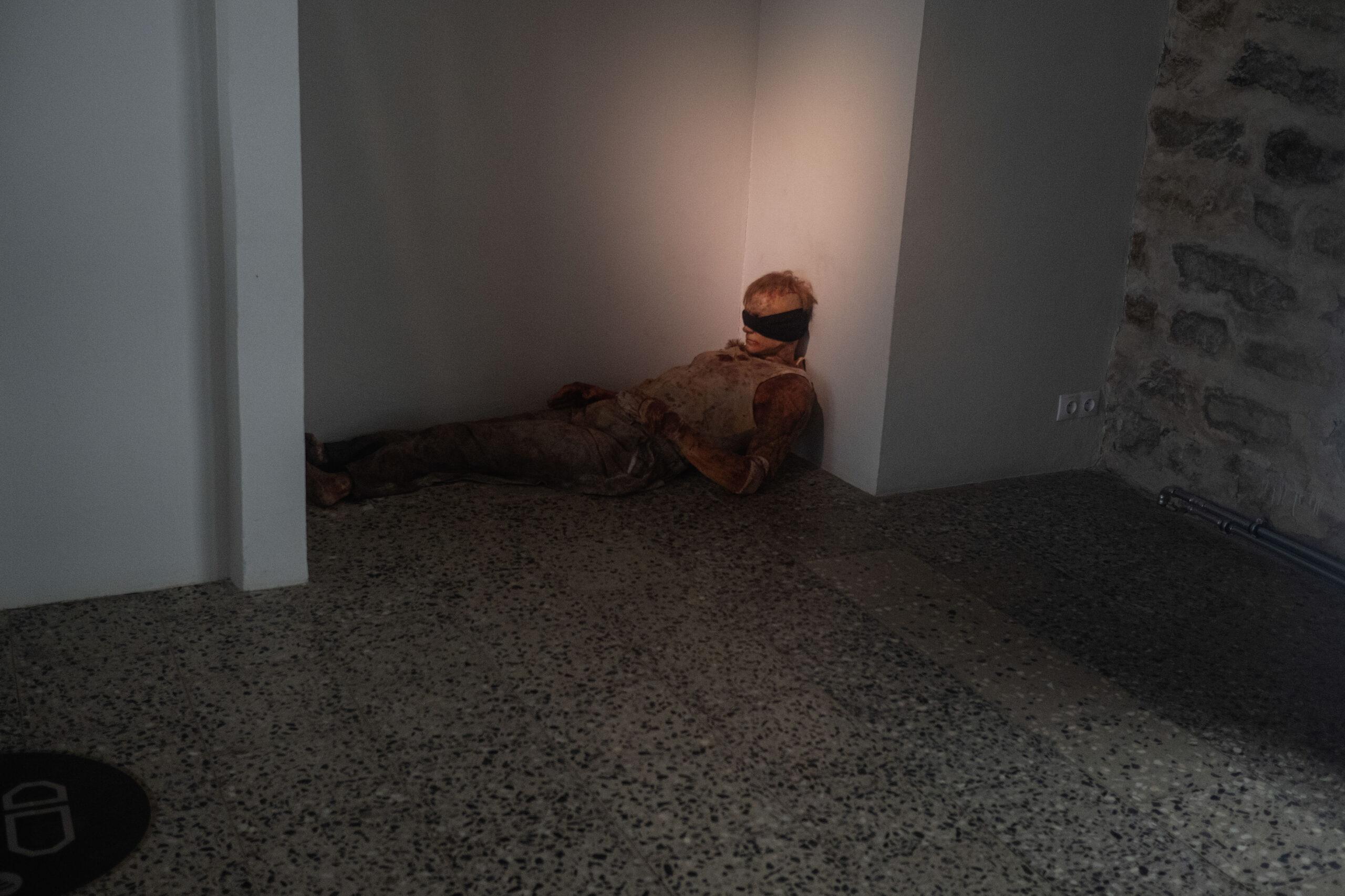
Yet it was precisely in that capacity that she was accused of disseminating “war fakes” and “rehabilitating Nazism” — both charges referencing the Russian war in Ukraine. Smorzhevskikh-Smirnova had used her museum to document the Soviet-era occupation of Estonia and to publicize the testimony of Ukrainian victims of Russia’s invasion. Even more provocatively, she had hung giant images of Putin with the words “war criminal” on the walls of the city’s medieval castle, making them clearly visible to people across the border in Ivangorod, Narva’s Russian neighbor. This infuriated the Kremlin. “My case is an attempt [by Russia] to intimidate, restrict freedom of speech and extend its ‘laws’ to other countries,” she says via email. “To send a message … [that] ‘Russia’s borders end nowhere.’”
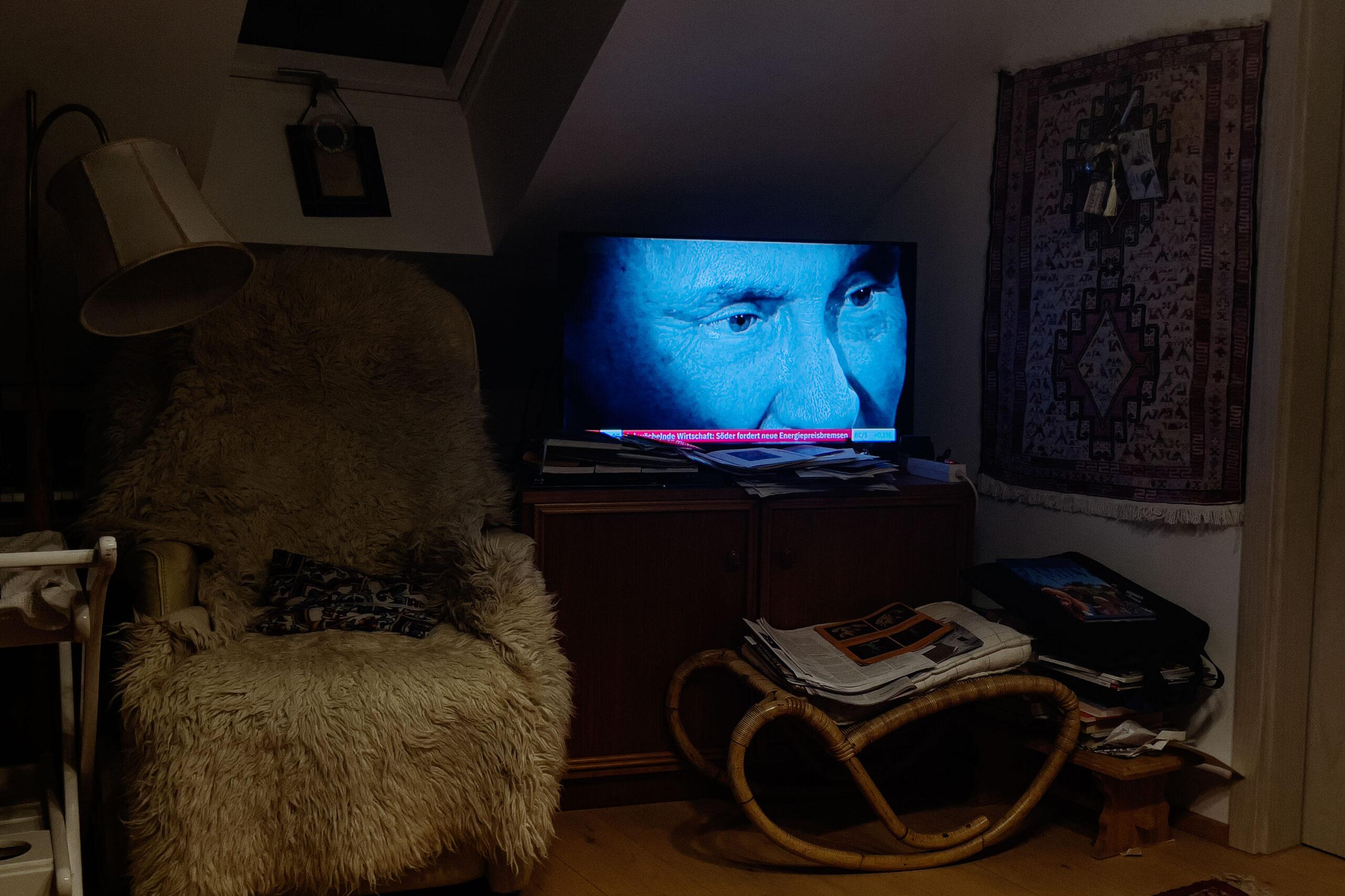
Smorzhevskikh-Smirnova was citing a notorious statement by Putin that has gained new resonance in light of his invasion of Ukraine. Russia’s war in Ukraine, which began in 2014 and accelerated with the full-scale invasion in February 2022, is not just about land. It’s also a fight over history, identity, and language — a context that transforms museums like the one in Narva from educational institutions into political battlegrounds. Putin has framed his “special military operation” as an effort to right what he sees as a historical wrong. Ukrainian statehood is a fiction, he asserts; Ukrainians are merely a subset of Russians, a people without a claim to a distinctive culture or language. Deployed in this way, history becomes a weapon — as devastating as a missile, tank, or drone.
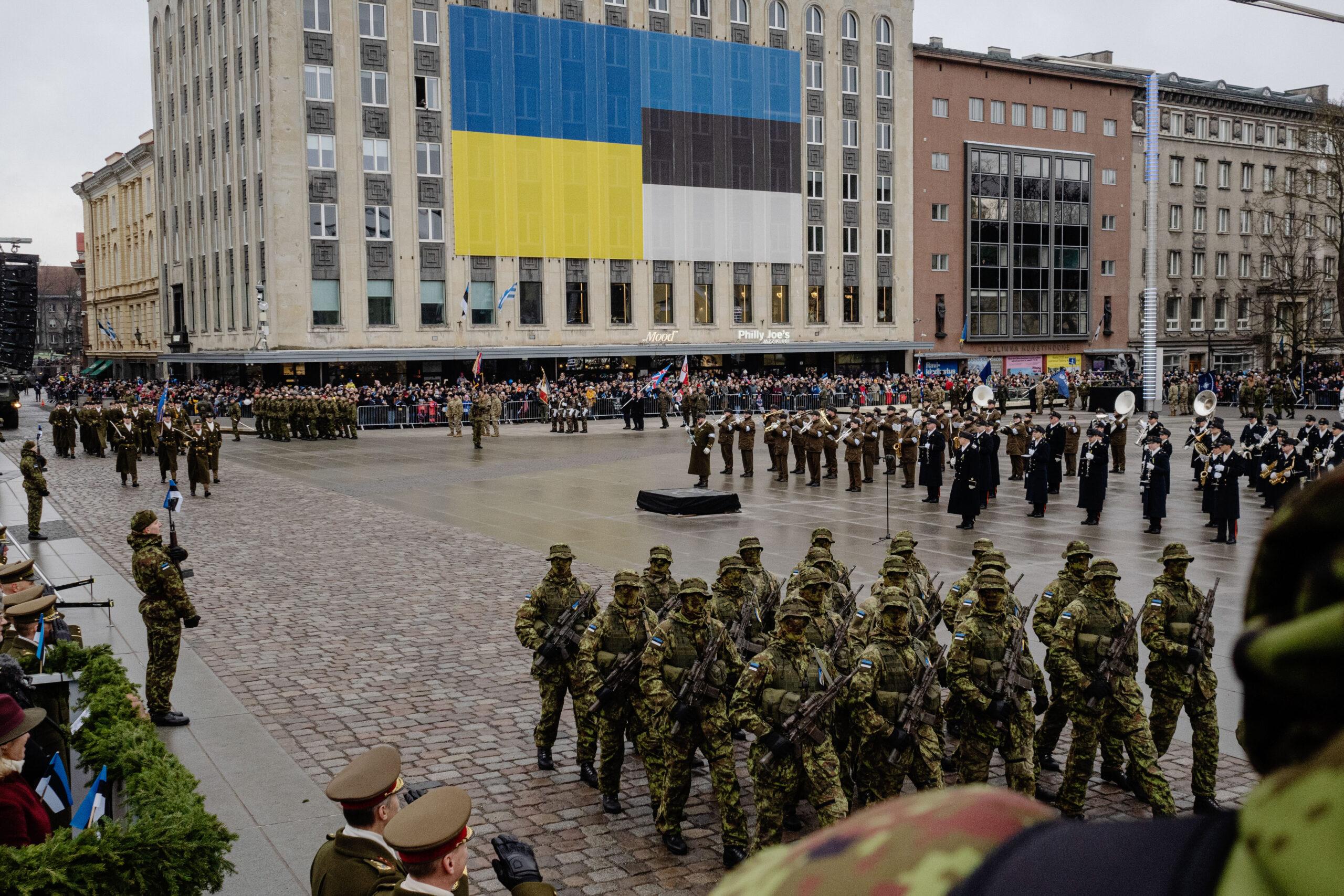
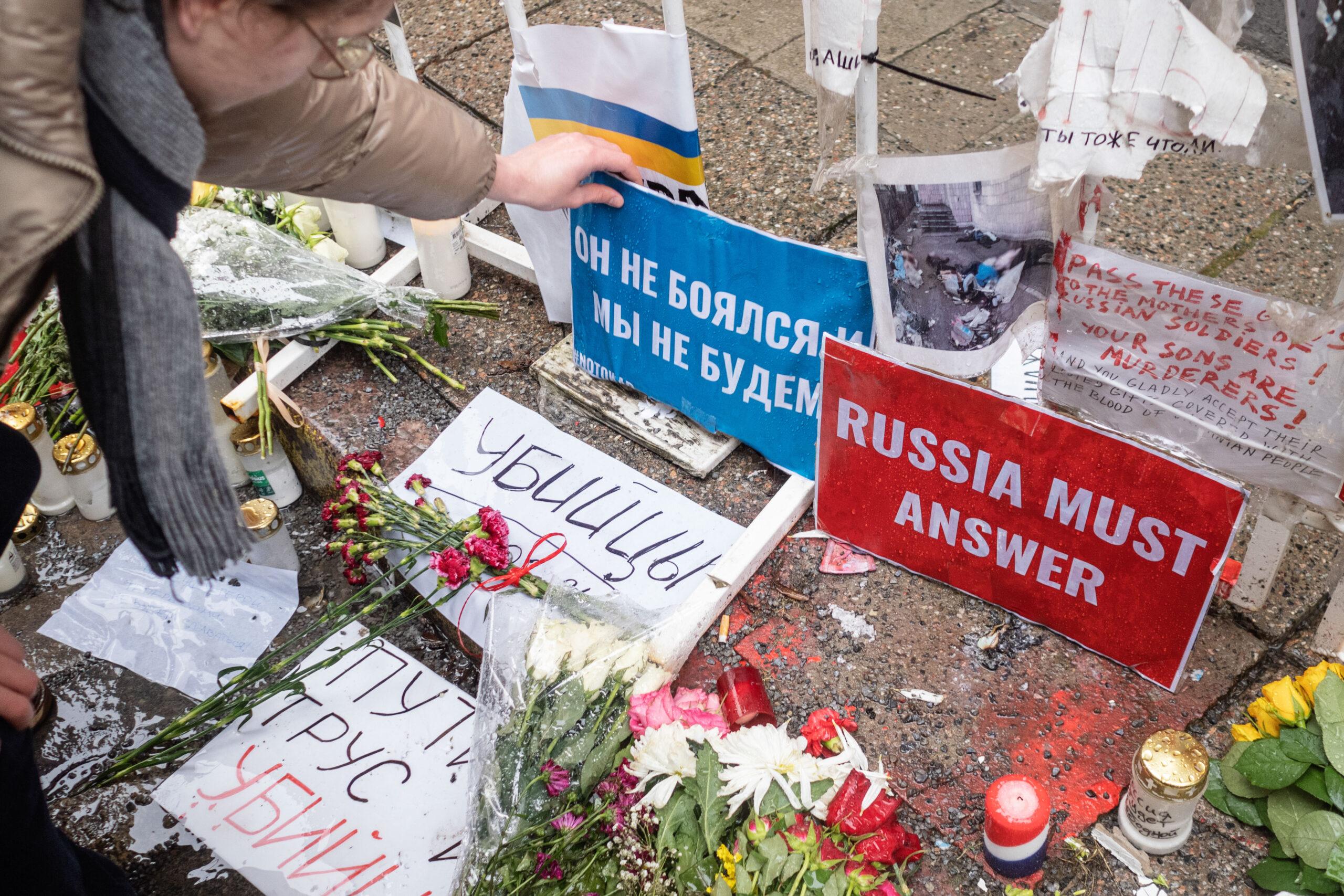
Putin has justified invading Ukraine with a nearly 7,000-word diatribe putting forth his version of history, and over the past four years has repeatedly elaborated on these views. “I have said many times that I consider the Russian and Ukrainian peoples to be one people. In this sense, all of Ukraine is ours,” he declared at a St. Petersburg event in 2025. “We have an old rule: Wherever a Russian soldier sets foot is ours.” His audience treated the comment as a witticism, responding with laughter and applause.
That comment, and others in the same spirit, were no laughing matter for Ukrainians or people in other countries who were once under the sway of the Soviet Union or the old Russian Empire. If the past presence of Russian soldiers in a place implies a Kremlin claim to the corresponding territory, then large parts of Eurasia currently far beyond Russian control have reasons to fear for their sovereignty; the invasion of Ukraine has merely served to give new urgency to this threat.
Such fears are not abstract. Since 2022, Russia has ramped up its provocations in Europe, regularly testing its neighbors’ readiness to respond to potential attacks. The most blatant came in September 2025, when nearly two dozen Russian drones crossed into Polish airspace, stirring panic. Poland triggered NATO Article 4 in response to the incursion, mandating consultation among member states. Days later, the alliance announced Operation Eastern Sentry, an initiative reinforcing protection of NATO’s eastern flank from Russian threats. Later that month, Estonia reported that Russian warplanes violated its airspace, and Denmark raised alarm over unknown drones circling above a major air force base.
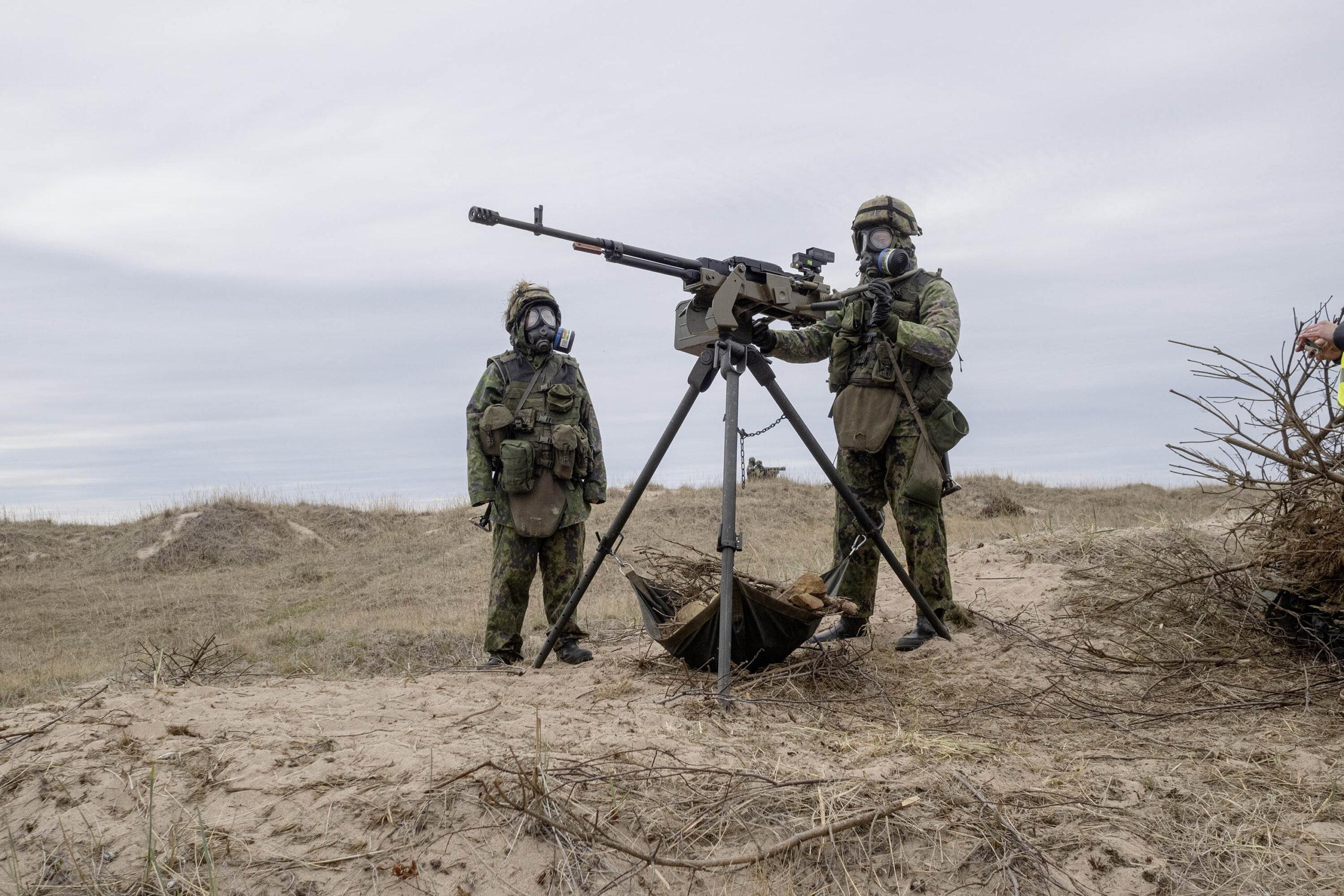
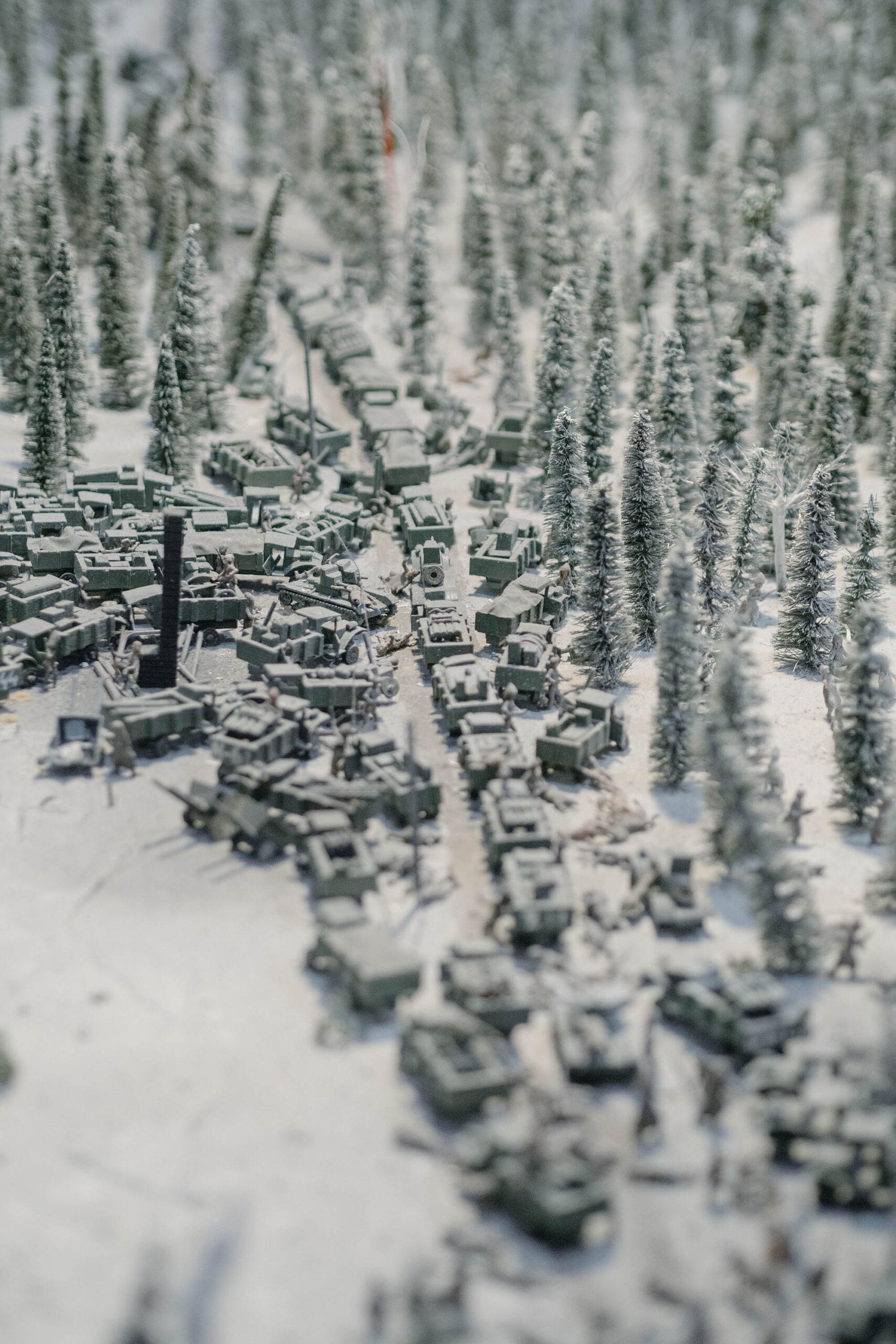
Such intrusions have triggered intimate memories of Soviet occupation for many in countries neighboring Russia. In Finland, the fate of those forced to flee their homes in the eastern territories of Karelia, which were ceded to Moscow after the Winter War of 1940, haunts survivors and their descendants. Balts, Poles, and Moldovans have their own stories of relatives killed or deported to Siberia during the Stalin years. Germans, Austrians, Hungarians, and Romanians, who fought together for the Axis in World War II, still recall vengeful mass rape at the hands of Soviet troops in the final months of the war. For all the peoples who spent generations defending their cultures against forced Russification, the Kremlin’s aggressive new rhetoric is not just talk.
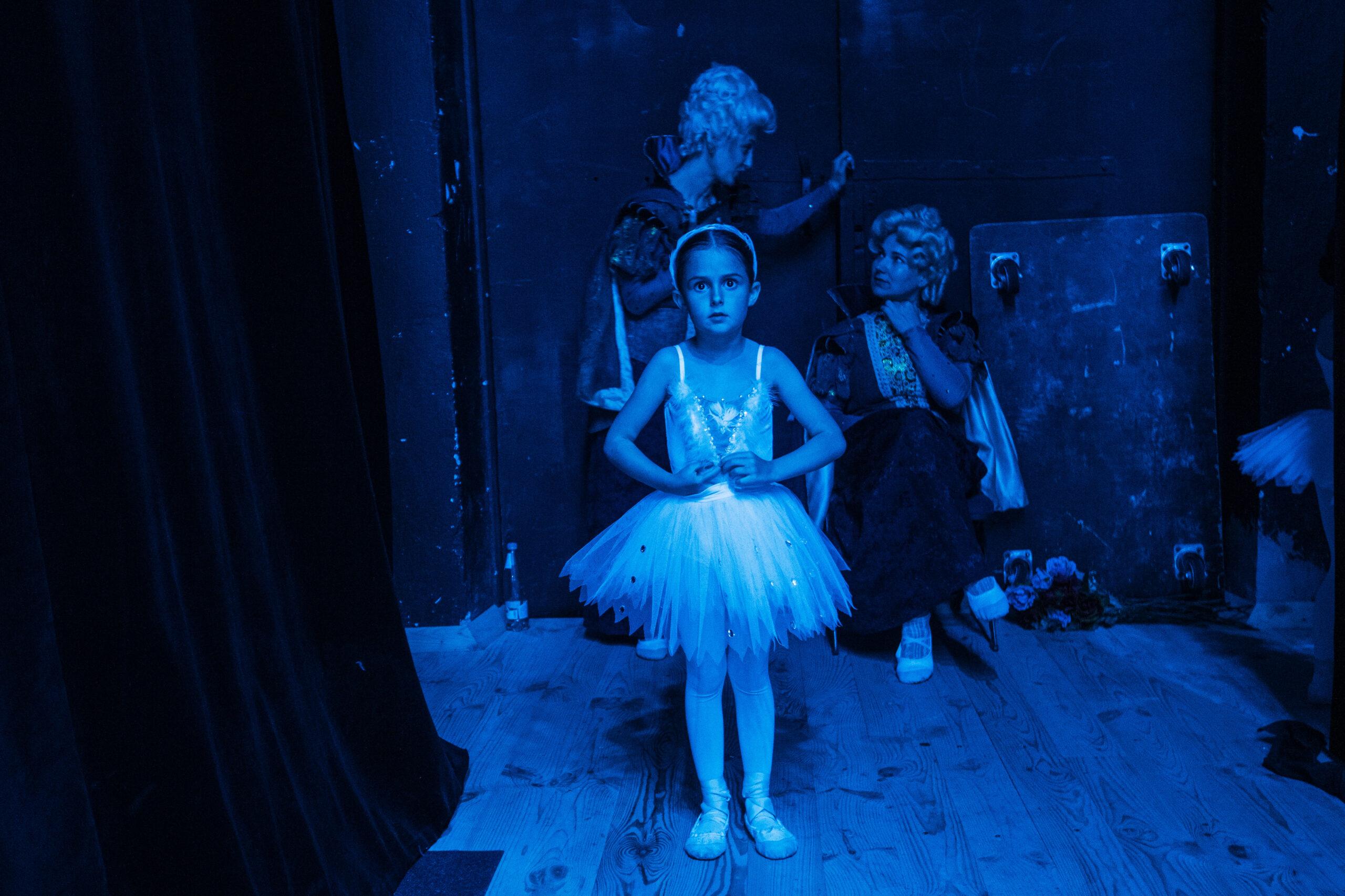
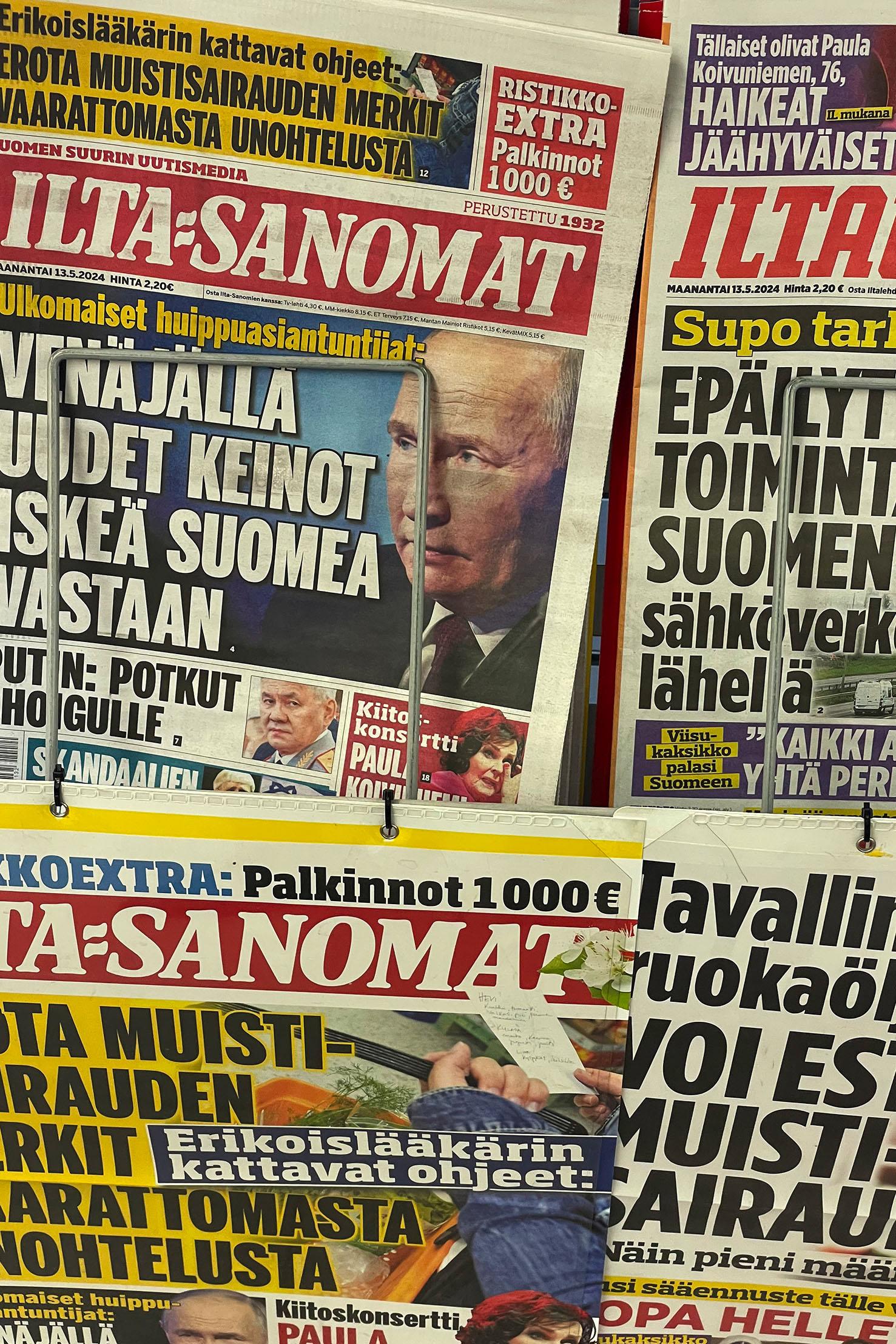
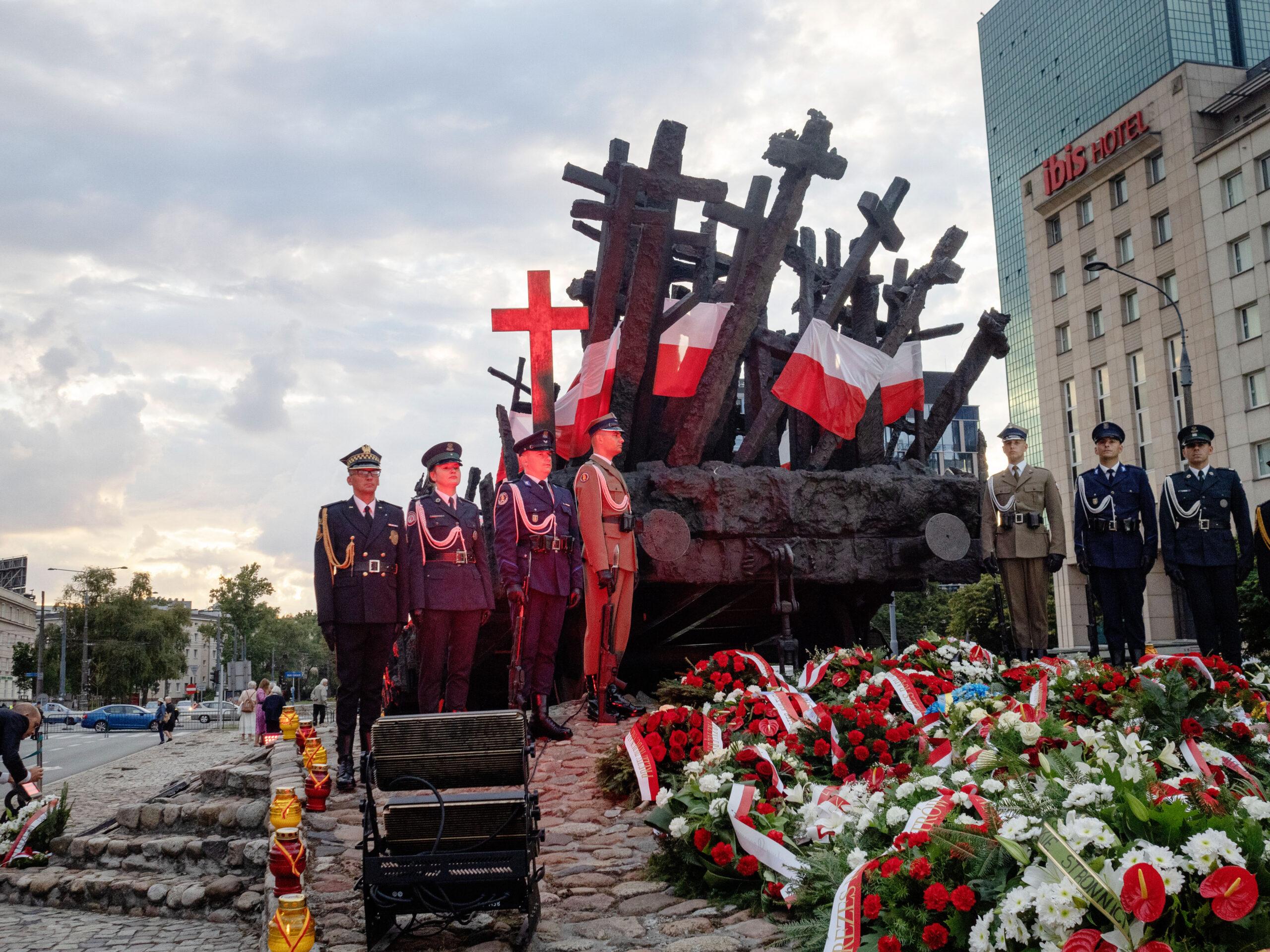
Putin himself frequently speaks of something he calls “the Russian world” — a cultural space marked above all by the presence of people speaking the Russian language. While his imperial ambitions may indeed expand far beyond Russian-speaking lands, he has repeatedly justified his intervention in Ukraine by citing the large population of Russian speakers there, especially in Crimea and the eastern region of Donbas.
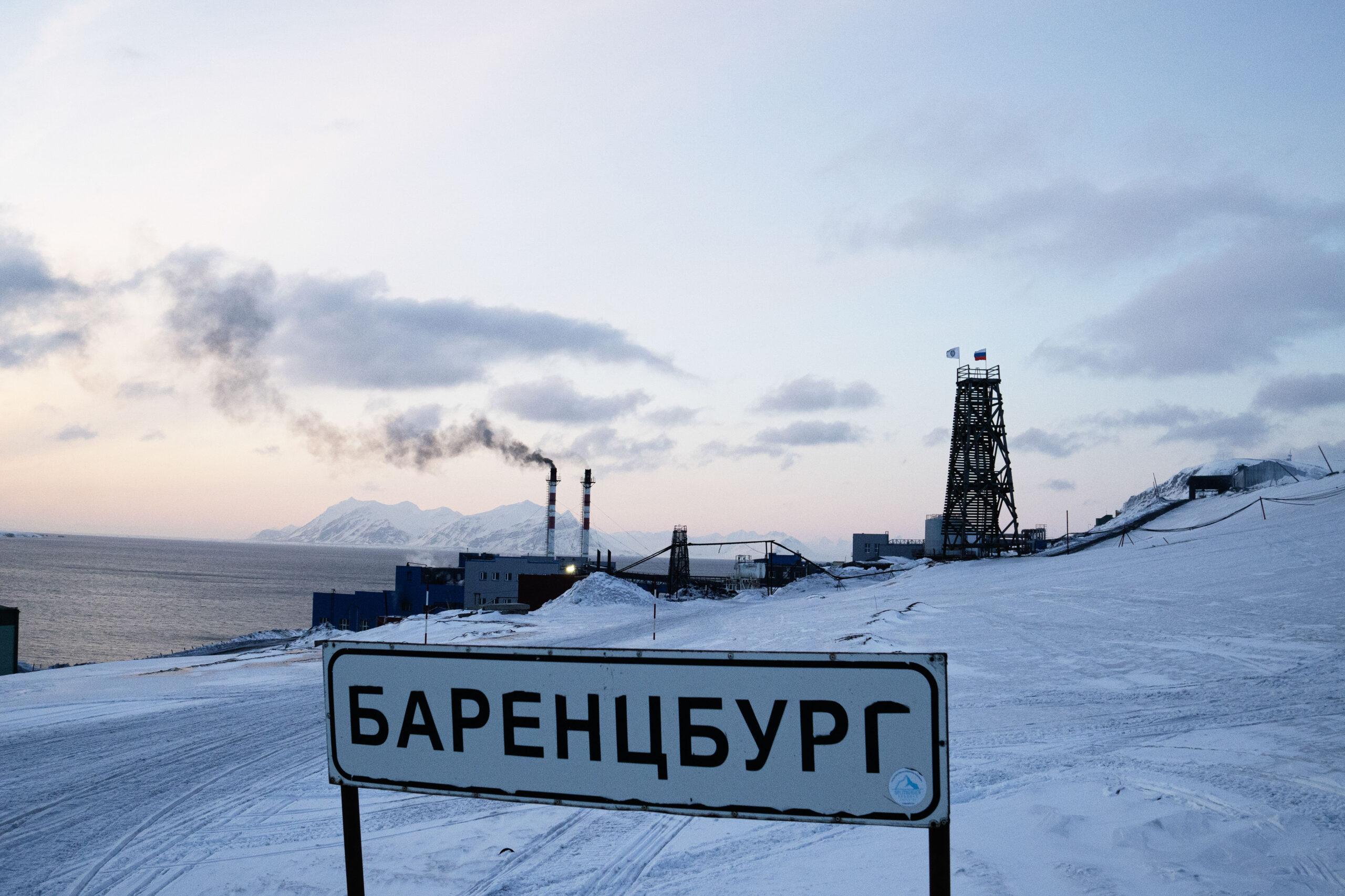
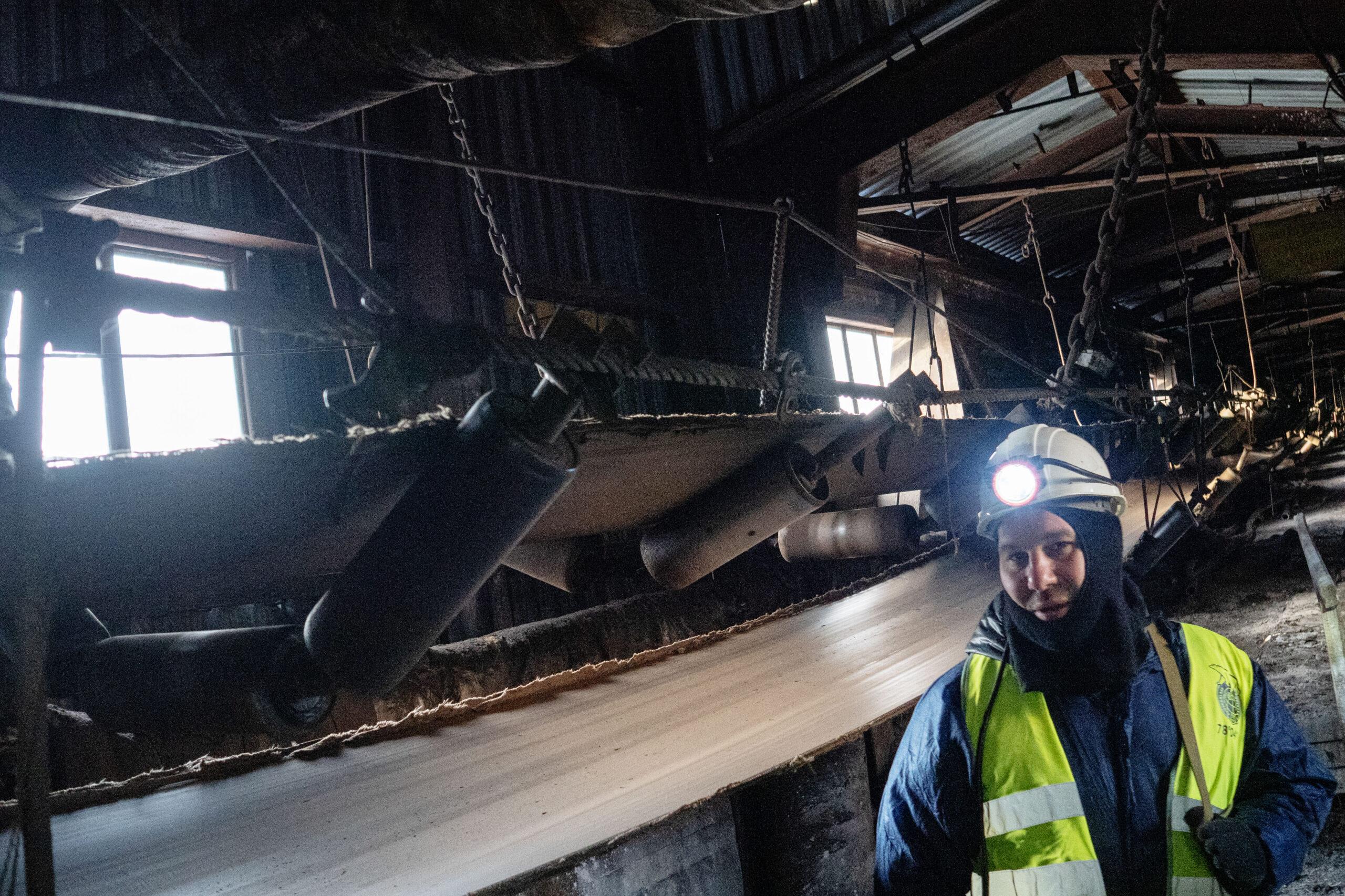
The same justification might theoretically apply to places such as the Norwegian Arctic territory of Svalbard, where Russians have maintained a presence since a 1920 treaty that gives them mining rights there. Lately, Moscow has been protesting what it describes as Norway’s increasing militarization of the islands, even as the territory’s Russian population has been making ostentatious displays of “patriotic” support for the war in Ukraine. It might be easy to write all of this off as an absurd sideshow — except that the islands occupy a strategically sensitive spot on the northern flank of NATO war planning. Could Moscow leverage its decades-old settlement in Svalbard for a diversionary operation against the West? Such a thought might have been dismissed by most experts before 2022. Now it no longer can be.
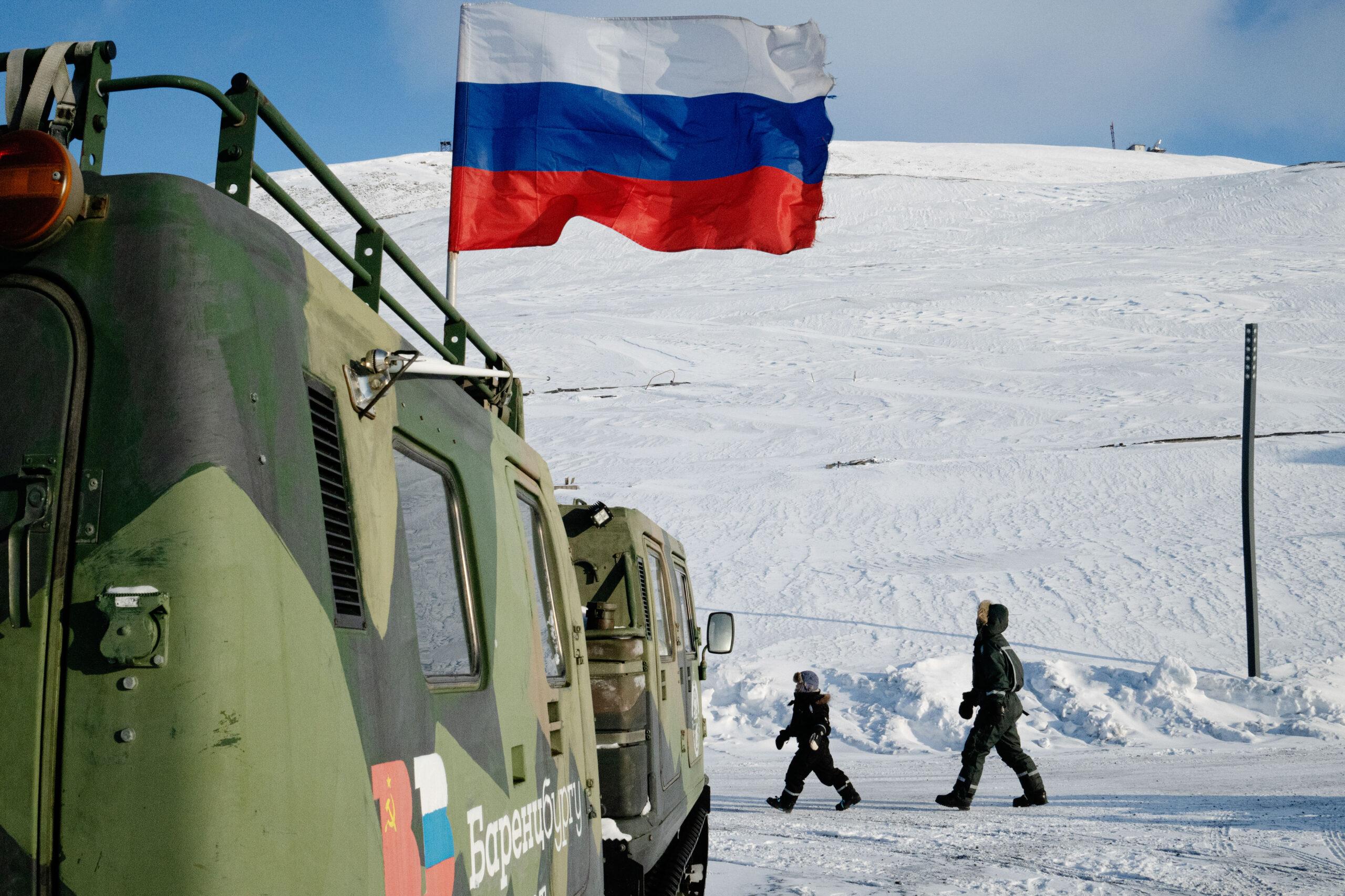
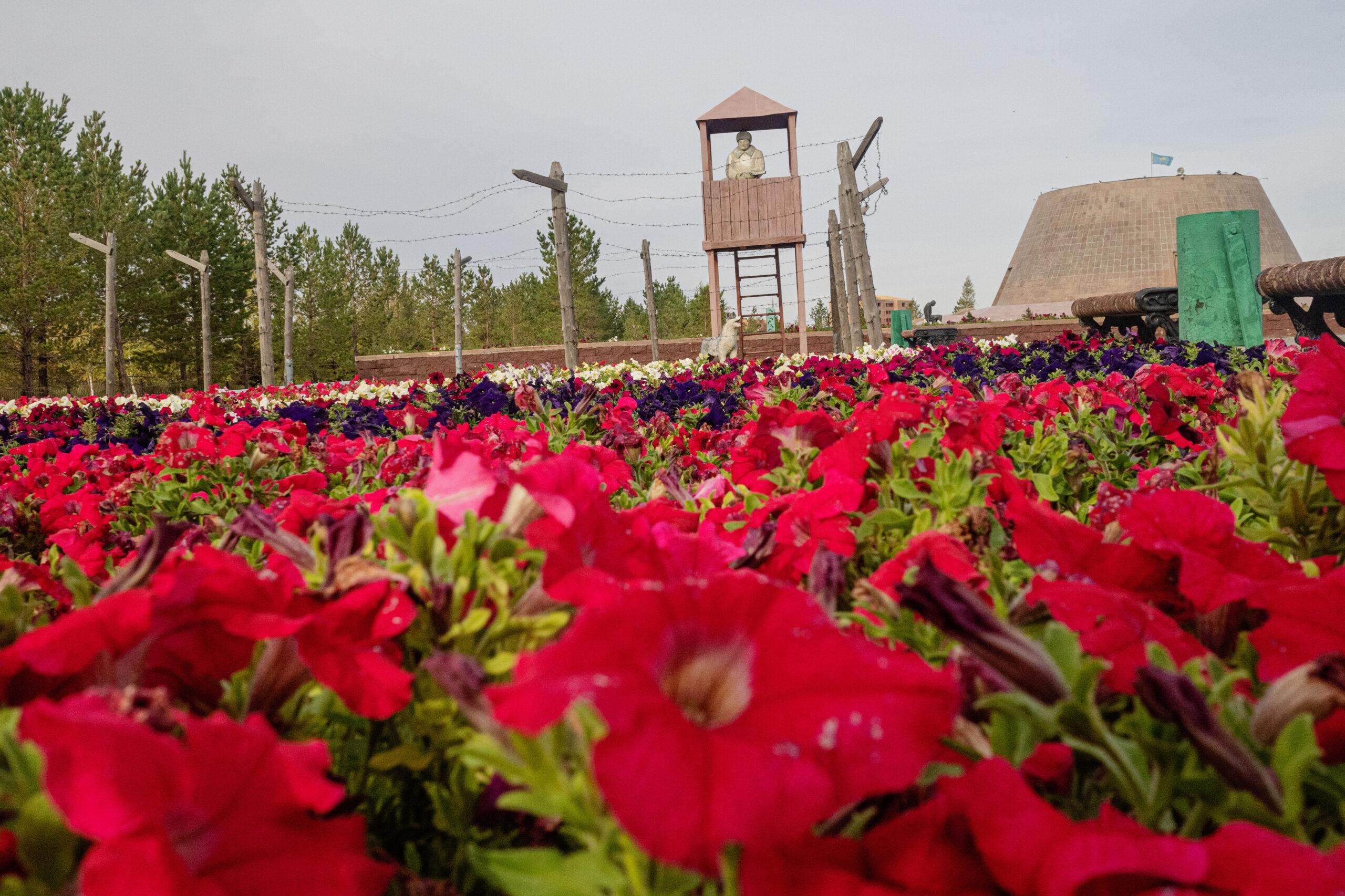
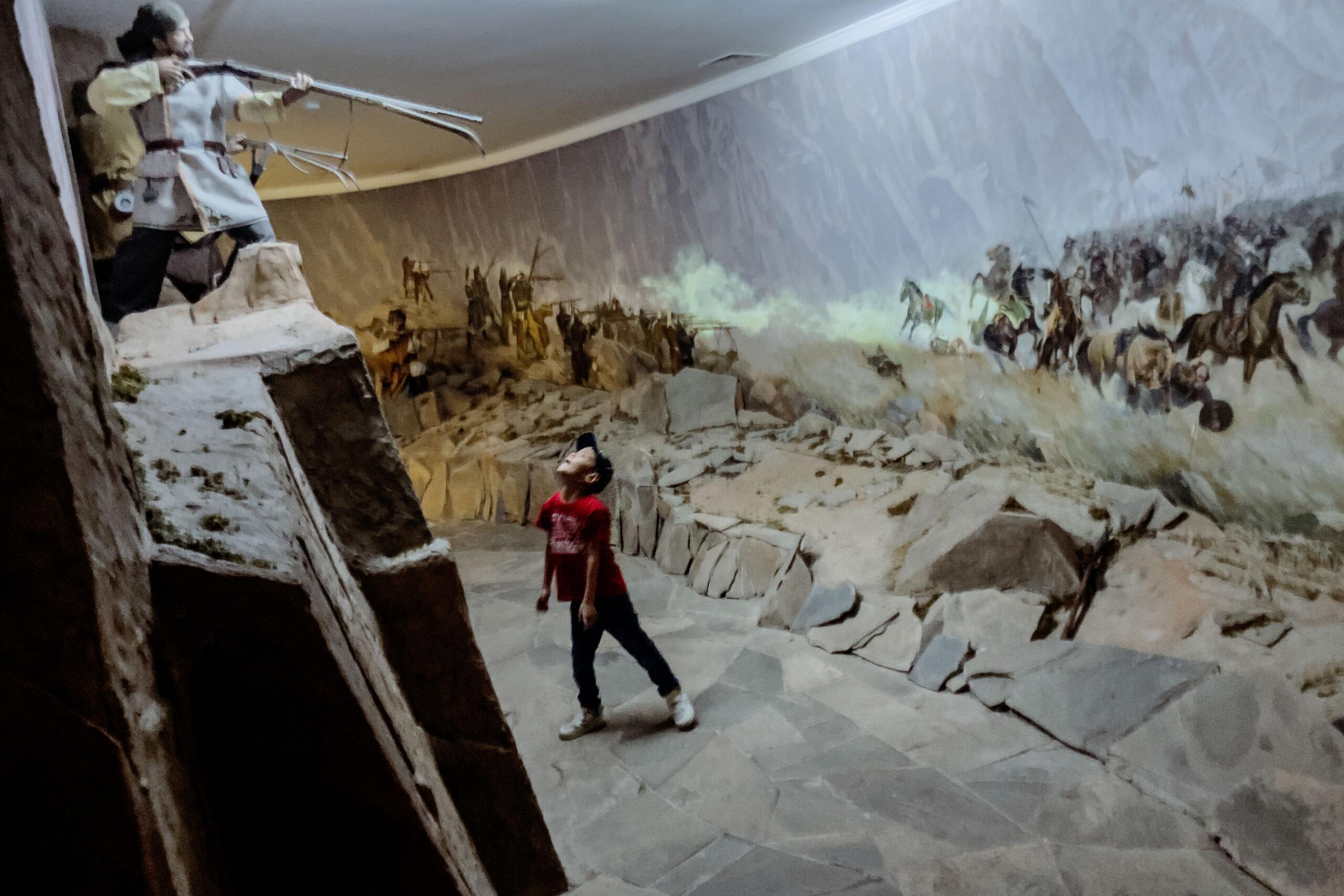
Or consider — many miles to the east — the immense but sparsely populated country of Kazakhstan, which shares a 4,750-mile border with Russia, the longest continuous land border in the world. The country maintains relatively friendly ties with Moscow — but its leaders are also painfully aware that its northern territories are overwhelmingly populated by Russian-speaking Slavs, who could at any moment be transformed into the next instrument of the Kremlin’s imperial designs.
The history of Kazakhstan’s relations with Moscow defies easy categorization. The most famous Kazakh intellectual of the 19th century, the poet Abai Qūnanbaiūly, greeted his people’s colonization by the czarist empire as a step toward modernization and the embrace of European civilization — a precedent still cited by pro-Russian officials. Yet the Kazakhs also endured a savage episode of Stalinist collectivization in the early 1930s, a famine that resulted in the deaths of some 1.5 million, a quarter of the population. Kazakh memorializations of Soviet terror coexist uneasily with official narratives about the benefits of Russian friendship.
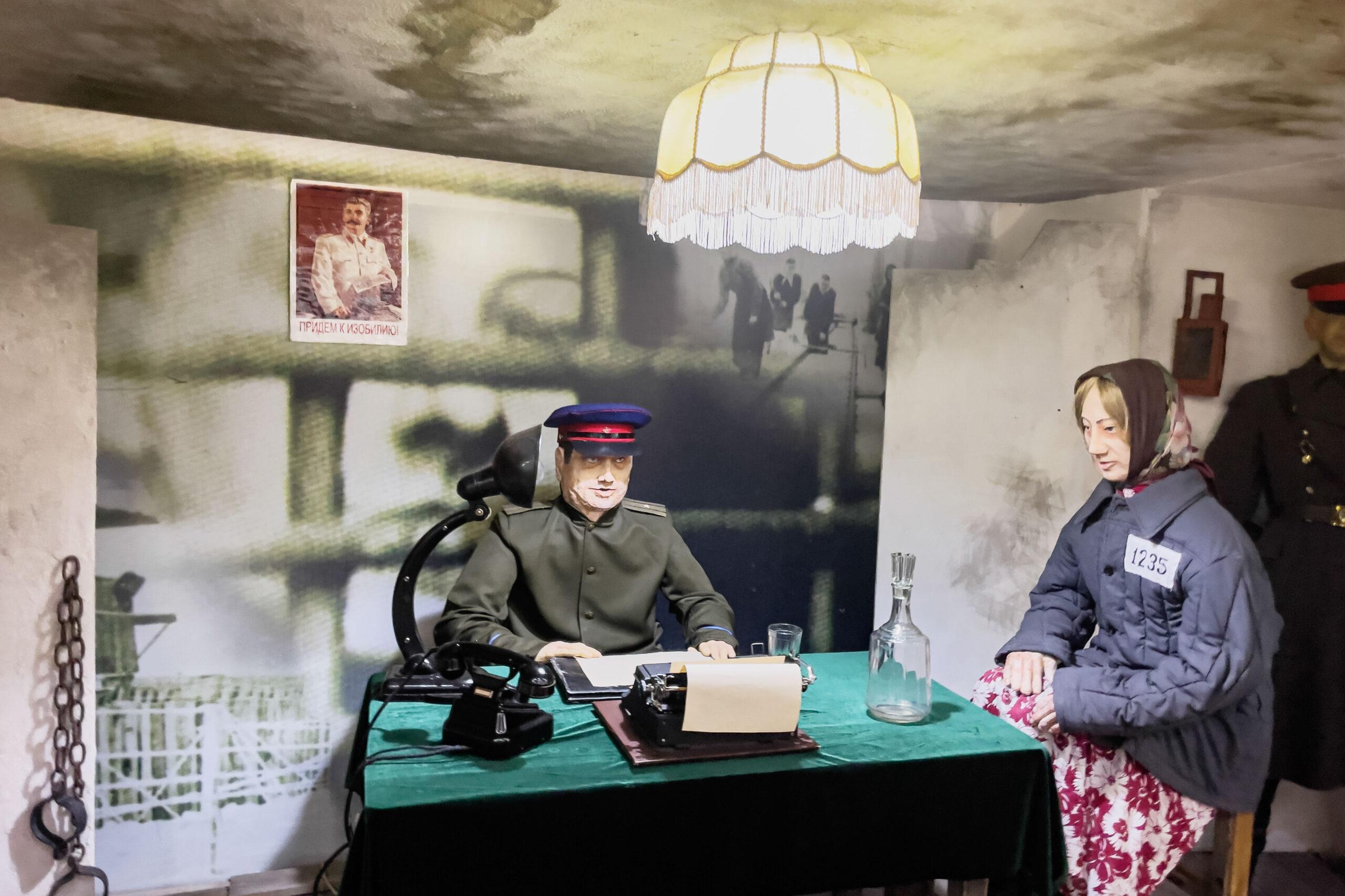
As that example suggests, memory does not have a single vector. Even countries with strong anti-Russian sentiment include groups that are susceptible to Moscow’s reading of the past. Central to most Kremlin narratives is the depiction of World War II (the Great Patriotic War, in Russian parlance) as a triumph of Great Russian national strength over Hitler’s Germany. (The losses of Belarusians and Ukrainians, who actually suffered higher rates of death than ethnic Russians, tend to be elided.) Translated into present-day terms, victory in 1945 was a triumph of “traditional values” — patriotism, family, Orthodox Christianity, and strong leadership (i.e., authoritarianism). This line has tremendous appeal among right-wing populists, religious conservatives, and euroskeptics, all of whom welcome Kremlin talk of waging war on “wokeness,” liberal democracy, rootless cosmopolitans, LGBTQ+ agendas, and multiculturalism.
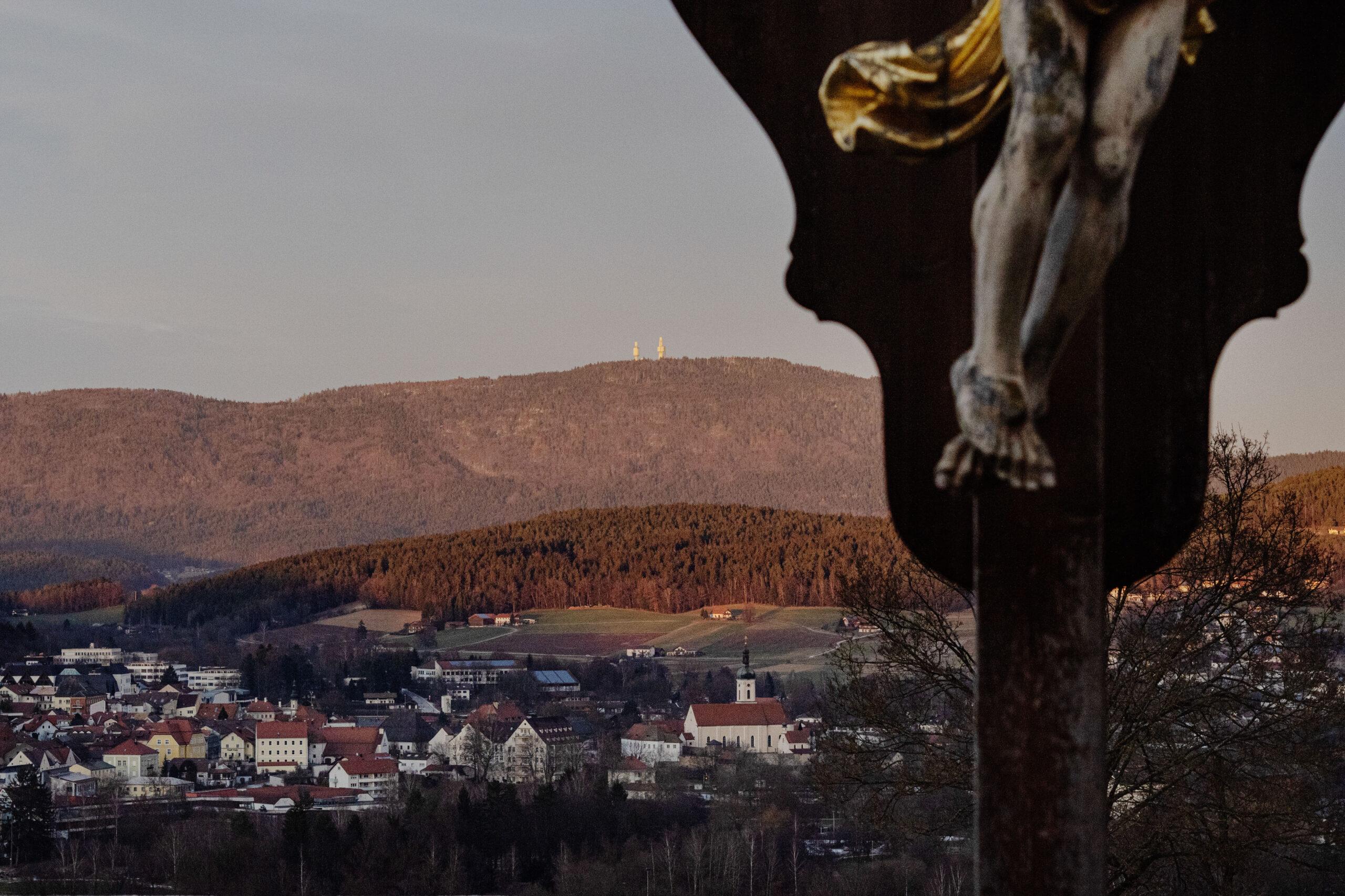
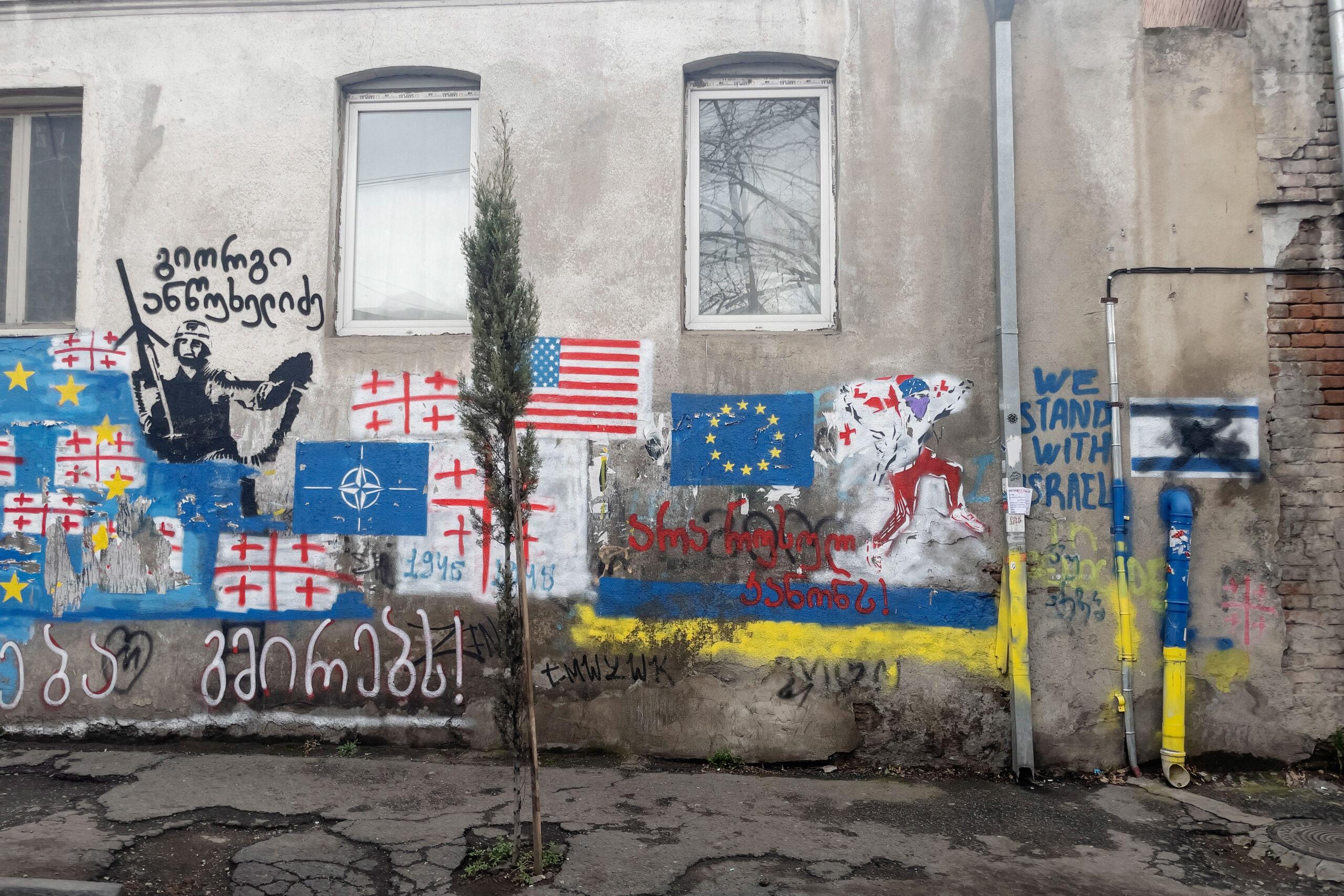
Georgia shows how it’s done. Polling in this country in the South Caucasus has long revealed overwhelming majorities in favor of European Union accession, NATO membership, and close cooperation with the United States. Yet over the past decade and a half, the ruling Georgian Dream party — the political vehicle of billionaire oligarch Bidzina Ivanishvili — has skillfully deployed an aggressively right-wing populist agenda against the opposition. Government screeds assail EU progressives who, it is claimed, promote radical LGBTQ+ agendas that defy the teachings of the Orthodox Church, or alleged globalist warmongers scheming to drag Georgia into the war in Ukraine (a powerful argument in a country that experienced its own Russian invasion in 2008, which, along with prior Russian interventions, left 20% of its territory under Moscow’s control).
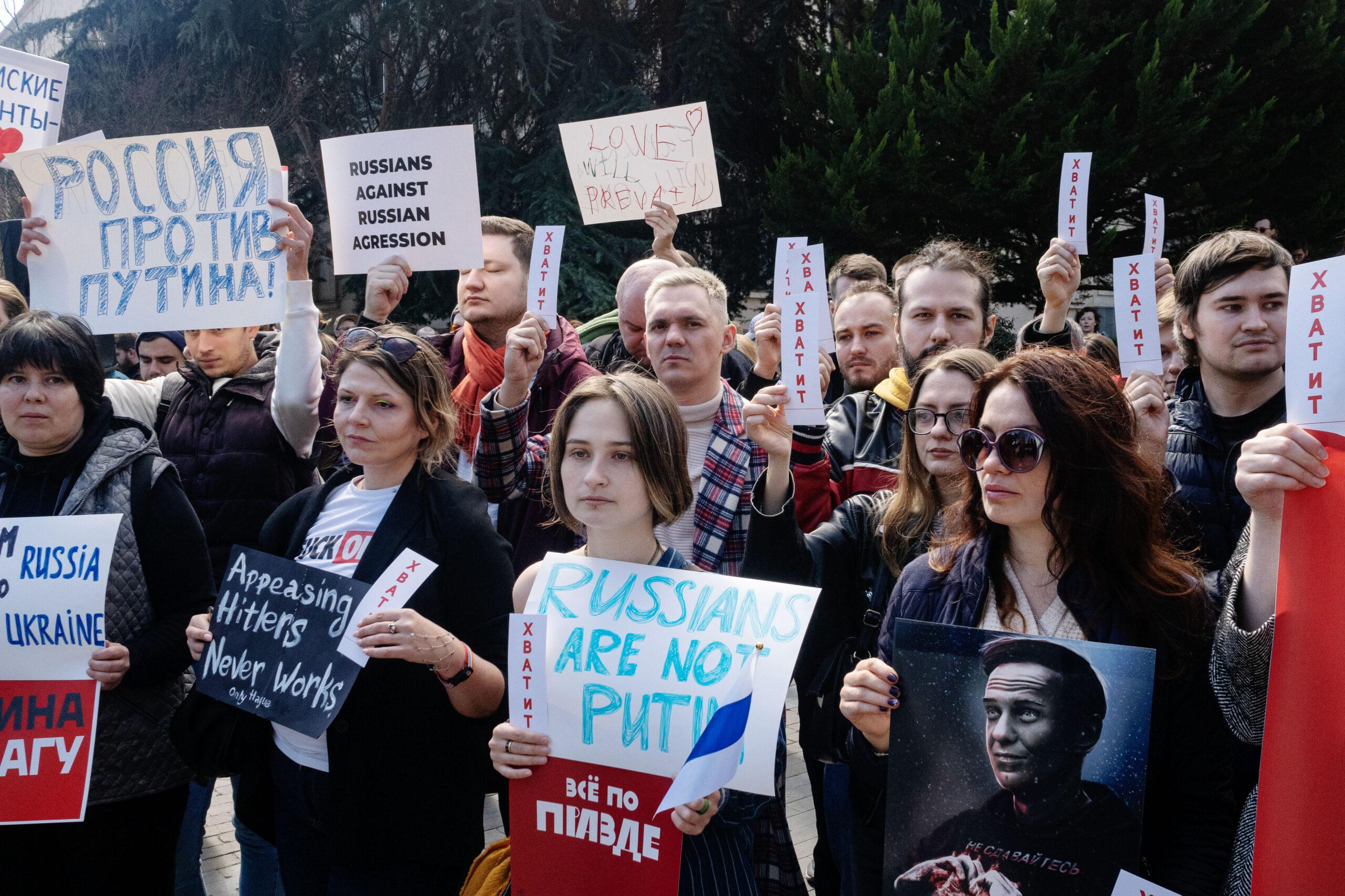
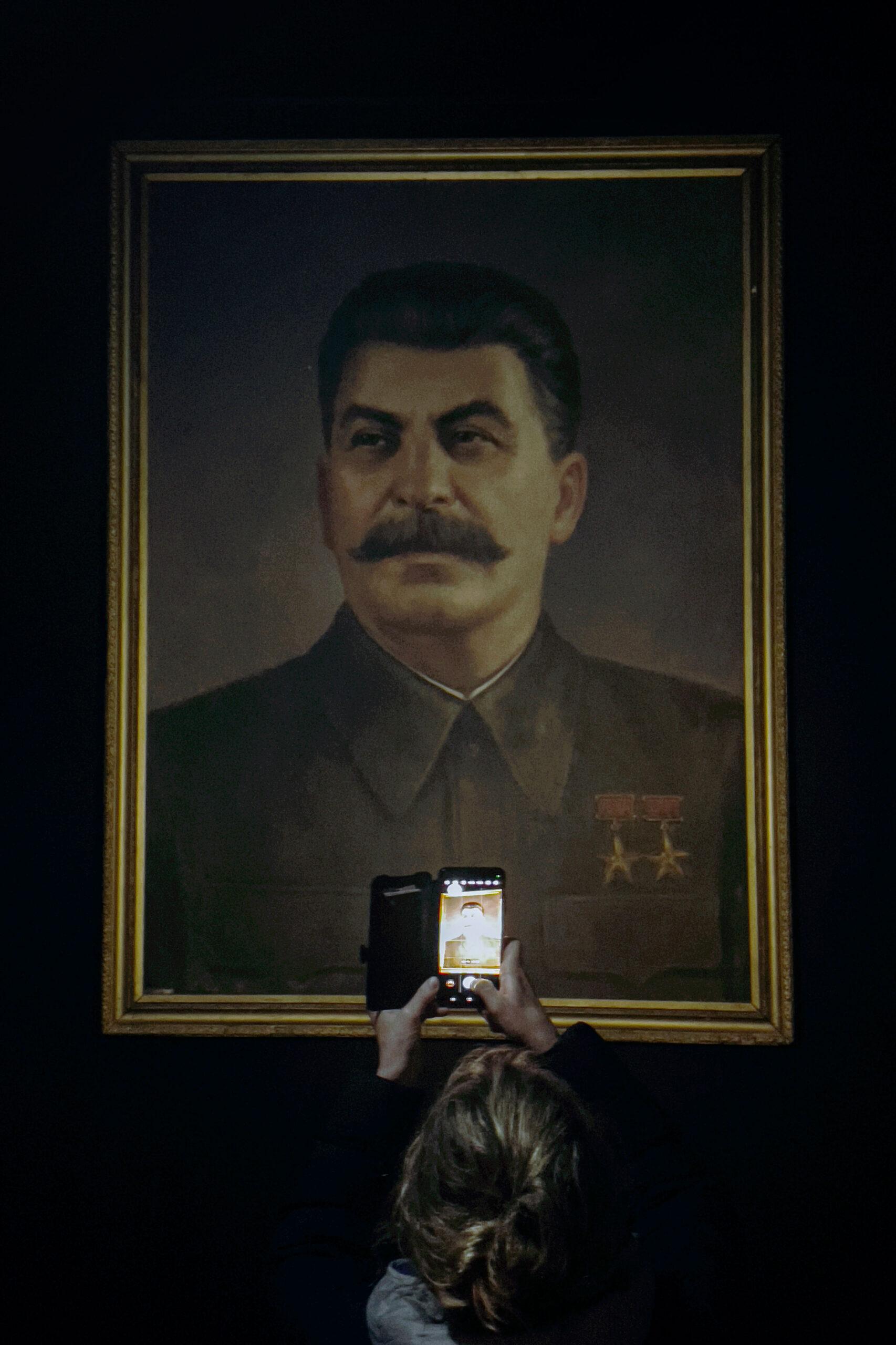
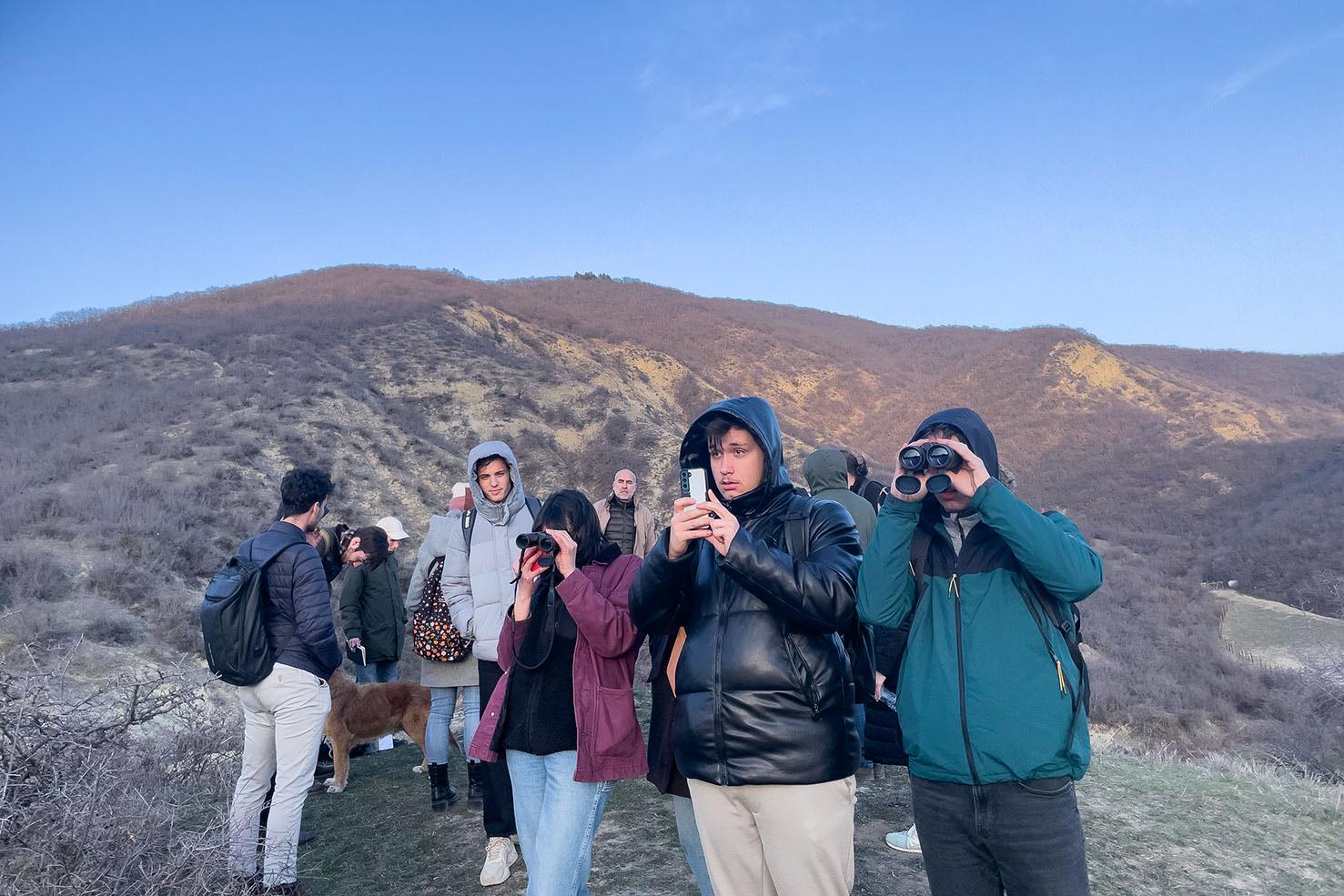
Georgian Dream is a diligent student. Its acknowledged model is Hungarian Prime Minister Viktor Orbán, who has combined intense euroskepticism, anti-migrant rhetoric, and crusades against scheming “globalists” such as the billionaire social activist George Soros into a potent populist ideology. Orbán has also cultivated a positive relationship with Putin; the Hungarian leader has refused to supply Ukraine with weapons and staunchly opposes Kyiv’s accession to the EU while continuing to buy Russian oil and gas, a stance that has earned praise from the Russian president. This is the same Orbán who has worked toward the rehabilitation of Hungary’s wartime dictator Miklós Horthy, whose troops fought on the side of the Nazis in Stalingrad. And yet Putin has spared Orbán’s Hungary from the accusations he levels at alleged “neo-Nazis” in Ukraine (a thoroughly democratic country whose president happens to be Jewish). The Russian weaponization of history, it turns out, is highly selective.
The word “weaponization” is not used lightly. Russia continues to devote immense resources to its efforts to subdue the Ukrainians — but at the same time it is also prosecuting a carefully designed cross-border campaign of conflict against the Europeans and NATO, one in which historical narratives and general disinformation play a central role. So far these efforts have stopped short of armed invasion. Experts speak instead of “hybrid” or “gray zone” warfare — terms whose slipperiness reflects the complexity of Moscow’s actions. Agents have planted incendiary packages in cargo planes. Mysterious drone incursions have shut down airports. Saboteurs have carried out arson attacks on warehouses filled with materiel for Ukraine. The Kremlin artfully melds these tactics with its disinformation campaigns, aiming to sow uncertainty and exacerbate divisions.
Meanwhile, the Russians have kept up efforts to shape European elections and suborn European politicians. In March 2024, authorities in the Czech Republic and Poland announced that they had broken up a Russian influence operation aimed at elections for the European Parliament. Russian money was said to have flowed to politicians in six countries.
Case in point: In Romania, the Kremlin’s efforts to shape the local political scene have been particularly brazen — perhaps because of the country’s access to the Black Sea, an area of particular strategic concern to the Russians. The Black Sea can itself be seen as a large and contested border zone whose significance has been dramatically heightened by the war in Ukraine. A member of the EU and NATO, Romania currently hosts a French-led, multinational NATO battle group and a vital air base that the alliance is upgrading into one of its most important regional hubs.
Yet instability and corruption have long bedeviled Romanian politics, offering the Kremlin ample openings for subversion. The most dramatic example came in December 2024, when the Romanian Constitutional Court annulled the first round of a presidential election, citing declassified intelligence attesting to a large-scale foreign influence campaign aimed at shaping the outcome. The available evidence has suggested a wide-ranging operation — deploying, among other things, armies of AI-generated social media bots — to boost a hitherto little-known far-right candidate who had promoted pro-Russian and anti-EU views. He was barred from the postponed election, which was finally held in May 2025. (An official investigation is still underway.)
Romania’s fate is closely linked to that of the tiny republic of Moldova, which was seized from Romania by Stalin in 1940. His action was a consequence of the Nazi-Soviet nonaggression pact signed the previous year, which redrew borders across Central and Eastern Europe — yet another example of how great powers have often sliced up the region according to their own whims (and in flagrant disregard of the peoples living there). Wedged between Ukraine and Romania, Moldova has long been buffeted by Kremlin interference — not least because of a large contingent of Russian troops stationed on its territory soon after it gained independence from the Soviet Union in 1991. Russian troops deployed to Transnistria to support separatists in 1992 and never left. While the territory is still internationally recognized as part of Moldova, the persistent Russian troop presence deters Moldovan military intervention to retake full control.
And yet, like its neighbor Romania, Moldova has demonstrated a remarkable resilience to the designs of its former imperial master. In September 2025, Moldovan authorities thwarted a complex Moscow-orchestrated scheme to defeat the country’s pro-EU government in a national election. The plot included vote buying, cyberattacks on government institutions, money funneled to pro-Russian parties, and wide-ranging disinformation campaigns using AI and bot networks, which “sent synchronized messaging across 129 affiliated websites in over 50 languages, further amplified by local networks,” notes one think tank analysis.
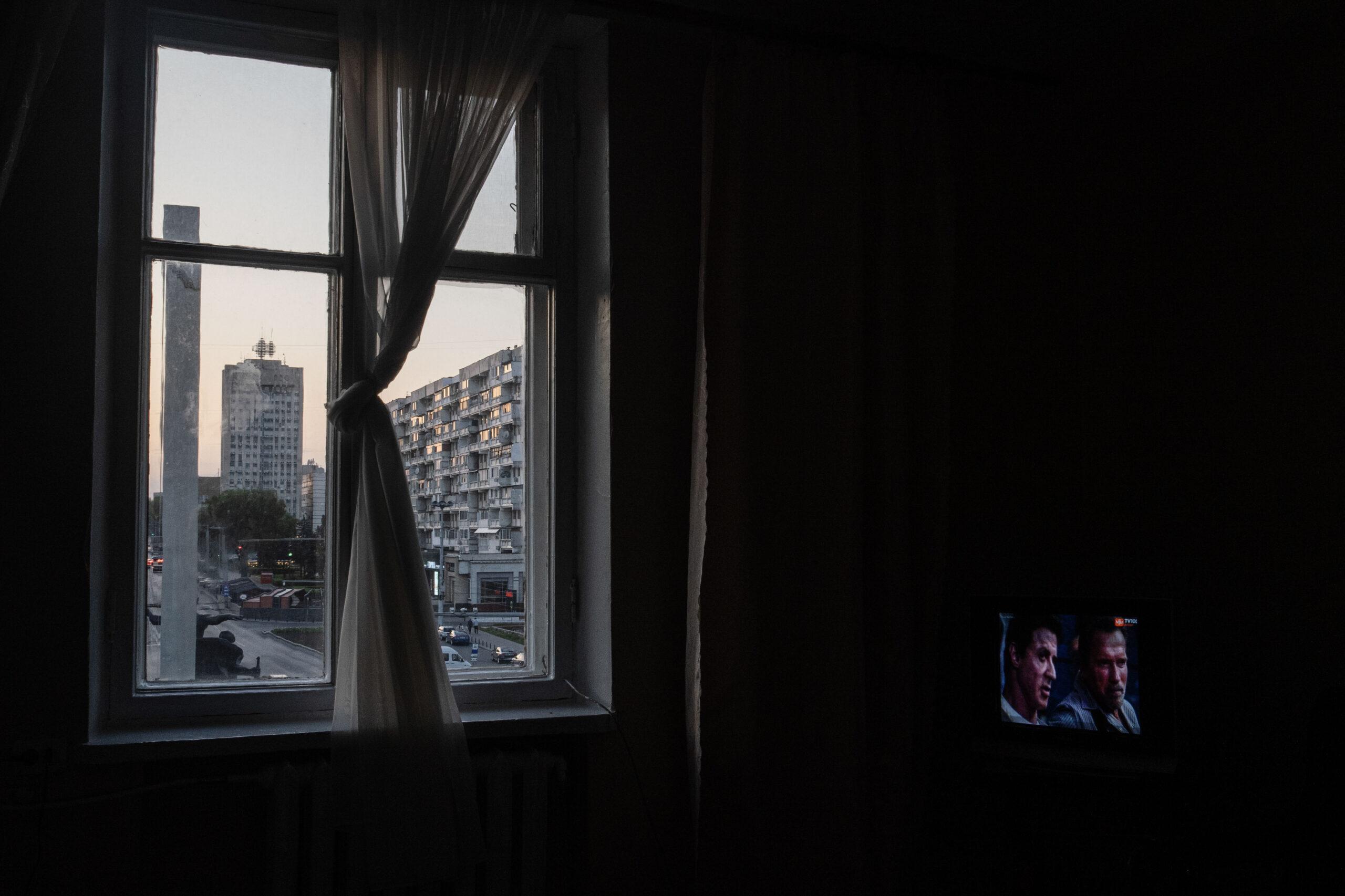
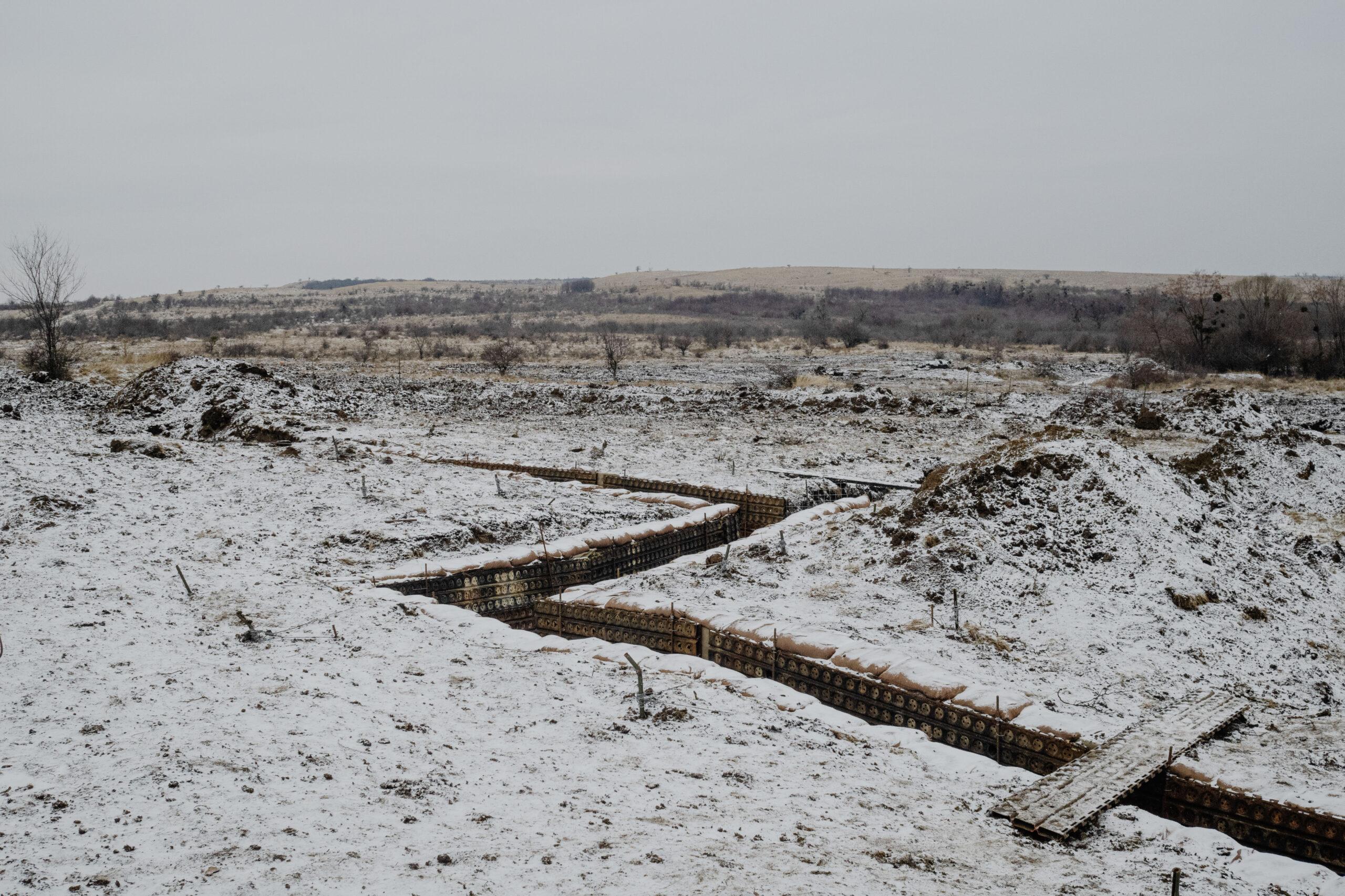
In the end, the Russian side lost — but it certainly wasn’t for a lack of trying. Such examples underline Moscow’s willingness to reach across international boundaries in its efforts to undermine its foes. Since the start of the full-scale invasion, Europe has been working hard to shore up its borders against the possibility of Russian aggression. Moldova seized on Ukraine’s wartime efforts to quickly accede to the EU, with both countries officially named candidates to join the bloc in 2022. But “drone walls,” high-tech border installations, and troop reinforcements won’t suffice on their own when the foe can reach deep into the hearts of nations trying to shelter behind the lines.
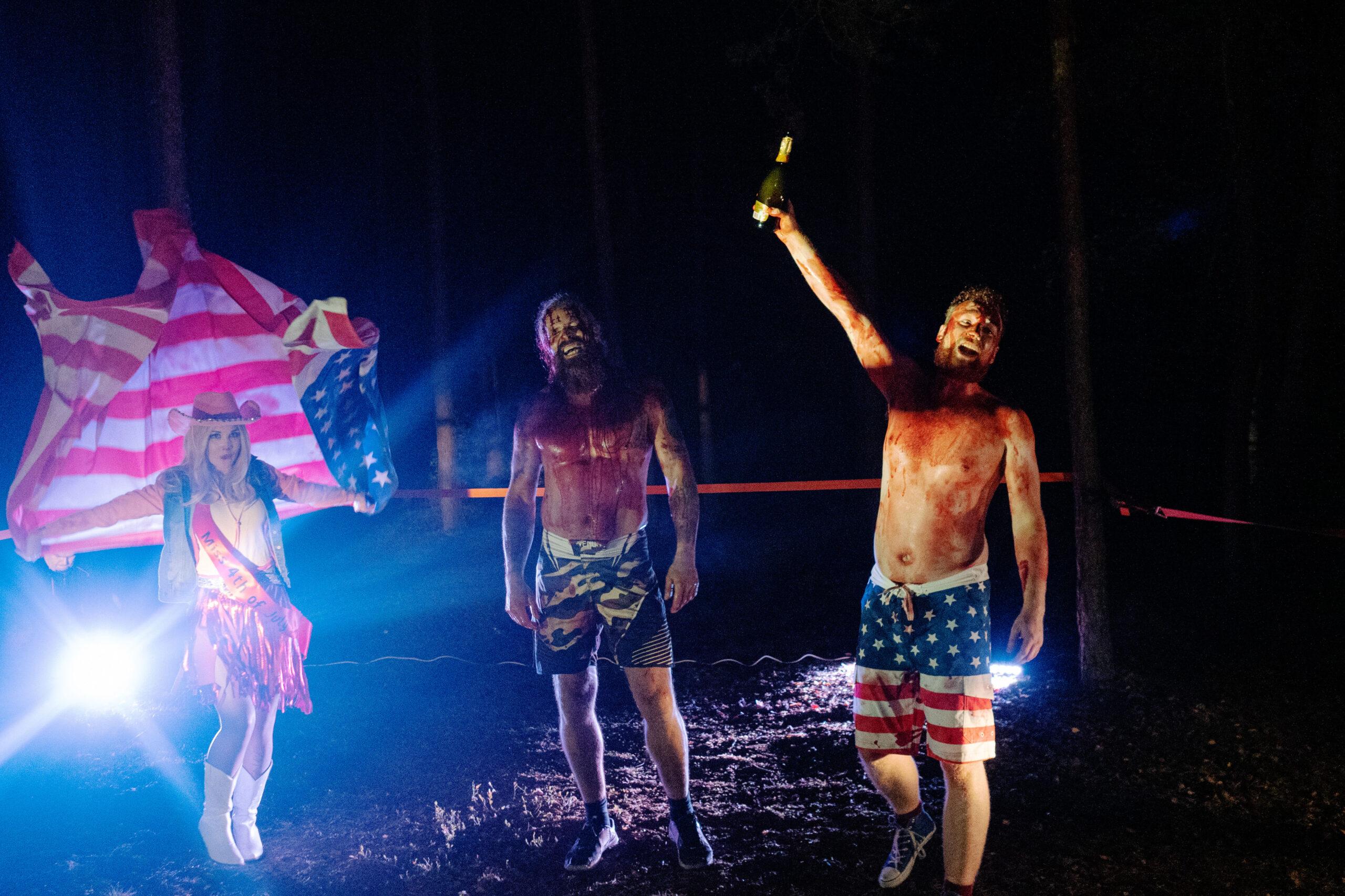
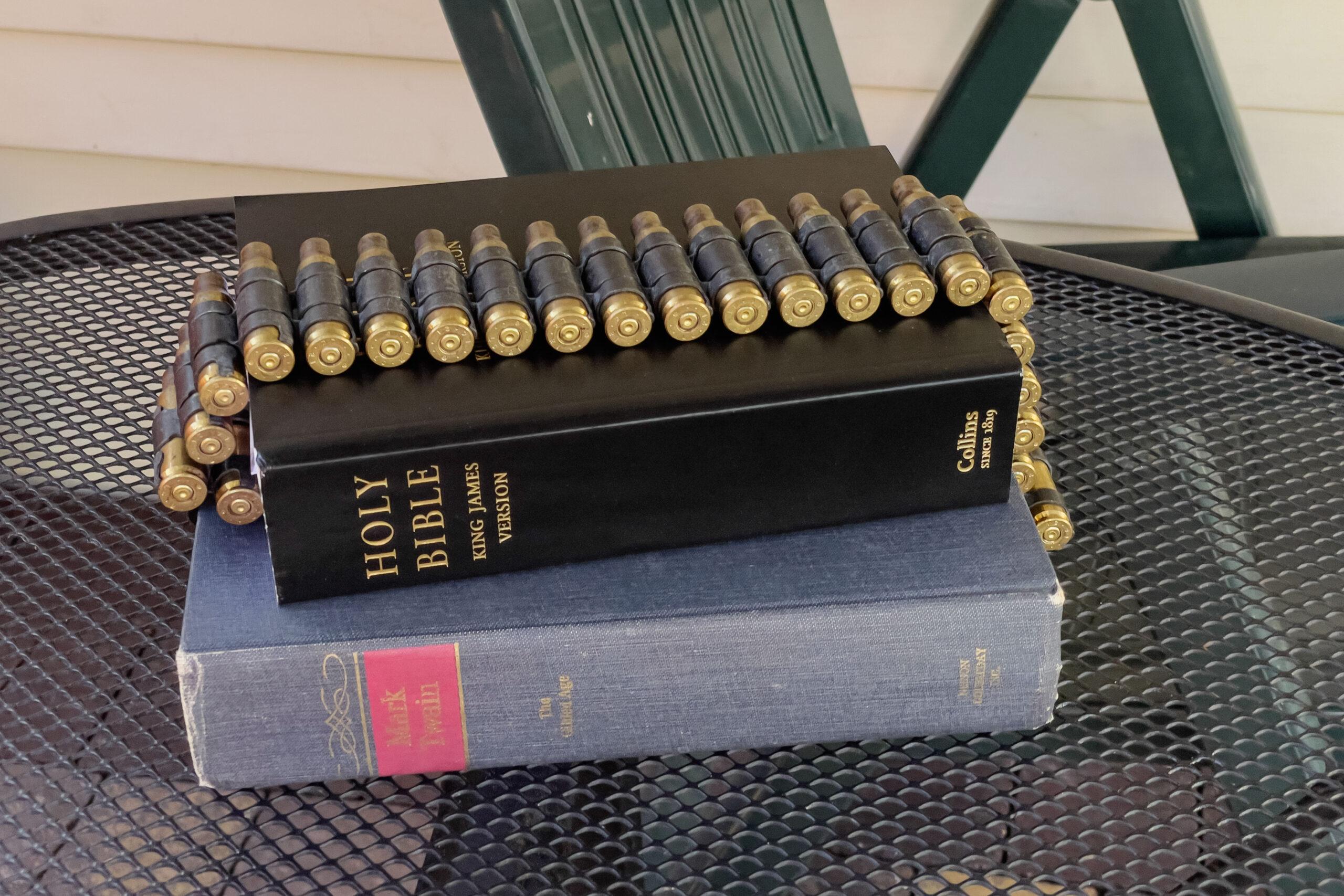
In the old days, the Americans might have helped. They might have huddled with their German, Danish, and Polish allies and used Silicon Valley expertise and Pentagon experience to come up with more effective ways to counter the Kremlin’s cross-border machinations. But by now the Western Europeans — not to mention the Georgians and the Kazakhs — have figured out that the American role in their lives is undergoing a transformation. It’s not just that the old-new rulers in Washington are demonstrating their antipathy toward traditional alliances and showing a disturbing willingness to find common cause with Putin. It is striking that Europeans increasingly seem to regard Americans and their culture as exotic curiosities, if not as downright irrelevant, while evidence of Americans’ disinterest in Europe continues to mount. Washington’s unpredictability has emboldened European leaders to insist on participating in U.S.-led talks to end the war in Ukraine. They know the alternative could mean Washington forces Ukraine to cow to Russia, bringing the Russian threat ever closer to their homes.
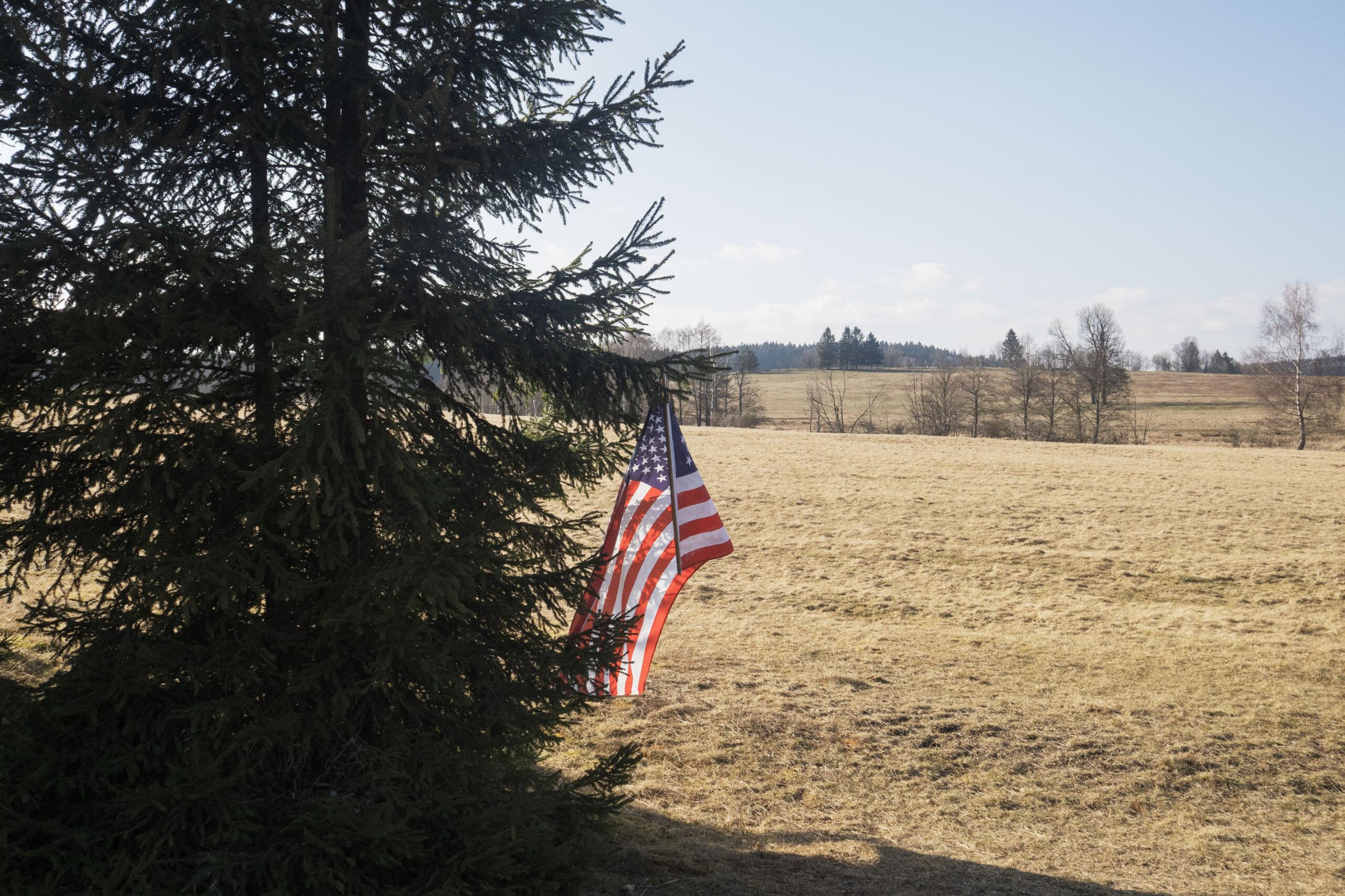
The countries of Russia’s borderlands are not entirely on their own. As an economic bloc, the 27 nations in the EU generate about 17% of the world’s gross domestic product — slightly ahead of China and second only to the U.S. (which accounts for 26%), based on 2024 nominal figures from the World Bank. The fact that the Russian war in Ukraine prompted previously reluctant Finland and Sweden to join NATO suggests that many countries still see the alliance as a potent organization, even despite a diminishing U.S. role. And the Turkic-speaking countries of Central Asia and the Caucasus, while retaining strong ties to Russia, have been seeking mutual support in the form of a growing cultural union with Turkey. Could it be that Russia’s aggression against Ukraine will spawn different forms of partnership among the countries of Eurasia? If the process of European unification has shown anything, it’s that effacing some borders can sometimes be the best way to build newer, stronger ones.